Nav:HOME ---- Fishing Articles ---- All Season fishing around Orlando Coast to Coast (YOU ARE HERE)
 |
|
| Get your Combat-Fishing Stuff Here! |
If you live up north, winter has taken hold by Thanksgiving, and many an angler begins to think of warmer climates. Most Americans, especially ones with kids in school, however, only have one time in the winter when they take a break--the Christmas Holidays. And where, do you ask, do most kids want to go when offered Florida as an option for a warm escape--Orlando, home of amusement parks and (as many Florida residents know this big eared star of cartoon fame) the 'Rat'. Well, if you happen to be in Orlando, and have access to a rental car, you also have access to some excellent fishing with in easy reach, and it is the kind of fishing that can even be enjoyed by novices and those with limited budgets. Just make sure you buy a good map and follow along below.
In Orlando itself (+/- 15 miles) is
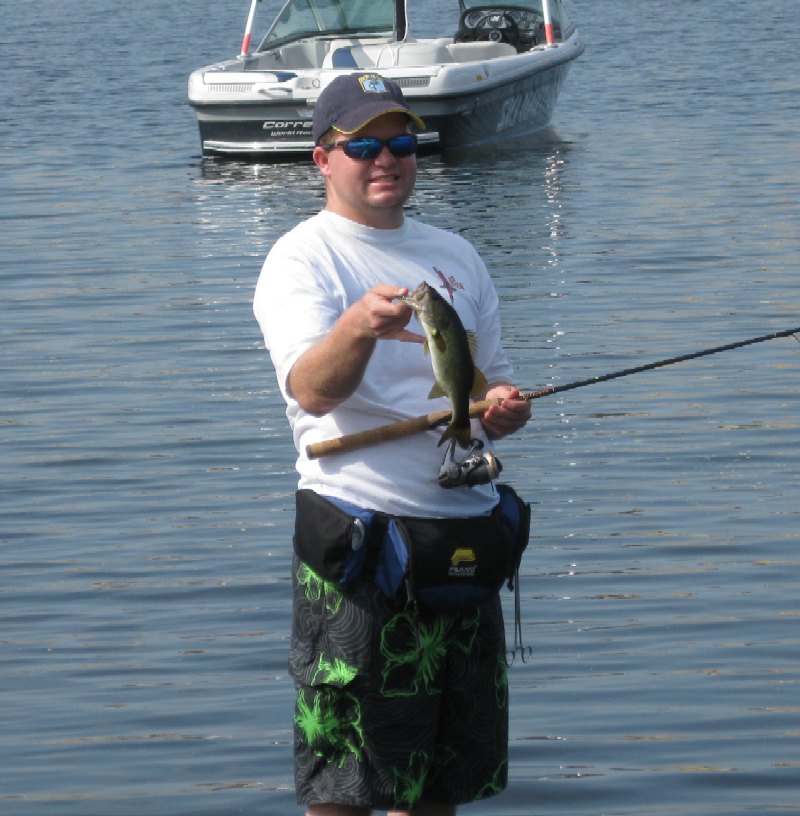
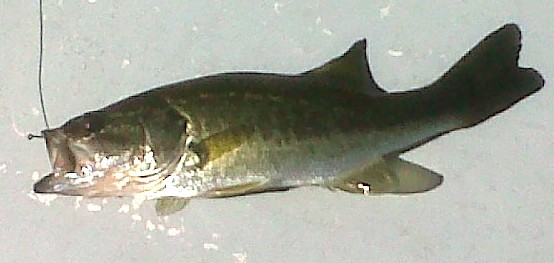
some of the best bass fishing in the world. Yes, I said in the world.
The St. Johns river flows just north and east of town, and numerous clear
spring fed lakes dot the area. While these lakes do see some degree
of fishing pressure, they are also very fertile and host giant Florida-strain
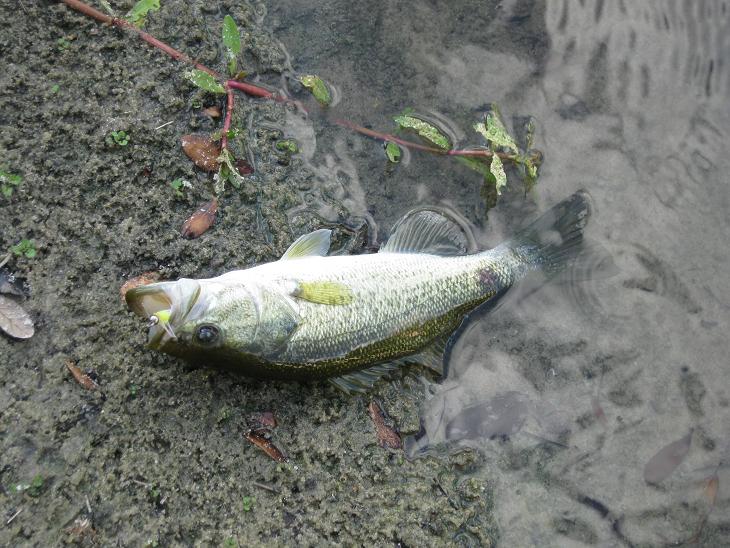
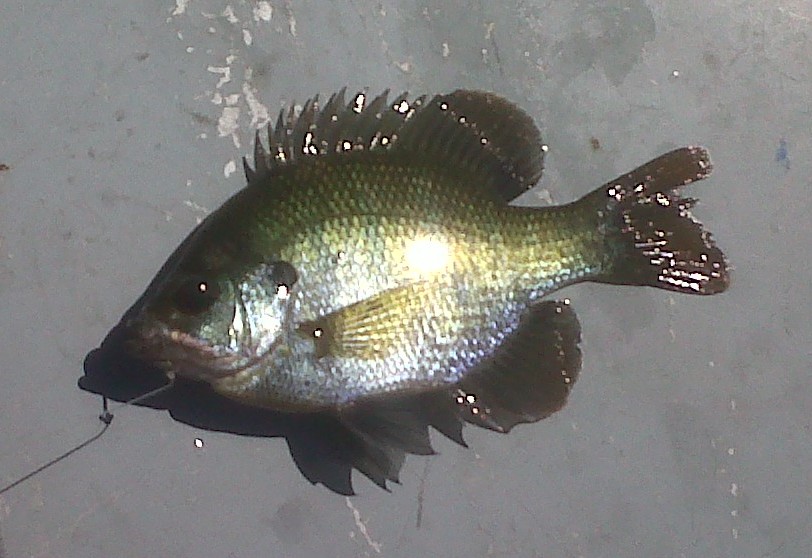
largemouth, several species of exotics, and the standard freshwater fare
(catfish, crappie, sunfish). I could write a book on the many methods
to catch the bass, the easiest and most user friendly technique is to buy
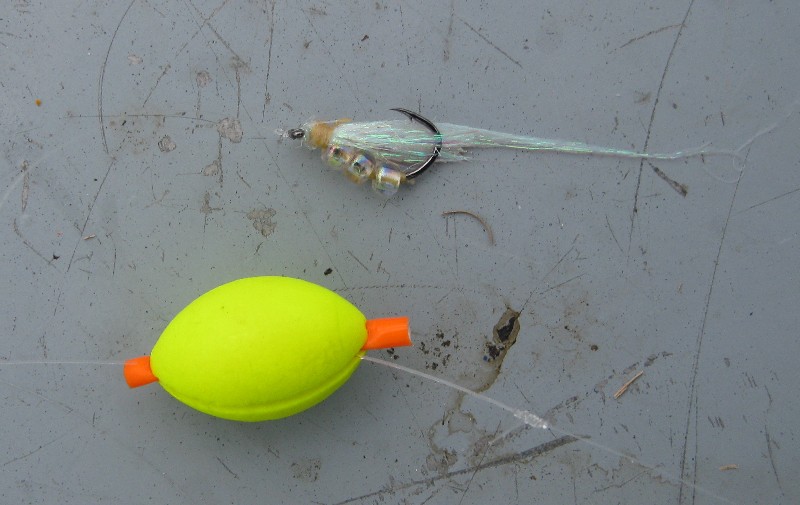
several shiners (or large live shrimp) and pin them under a bobber (4-8
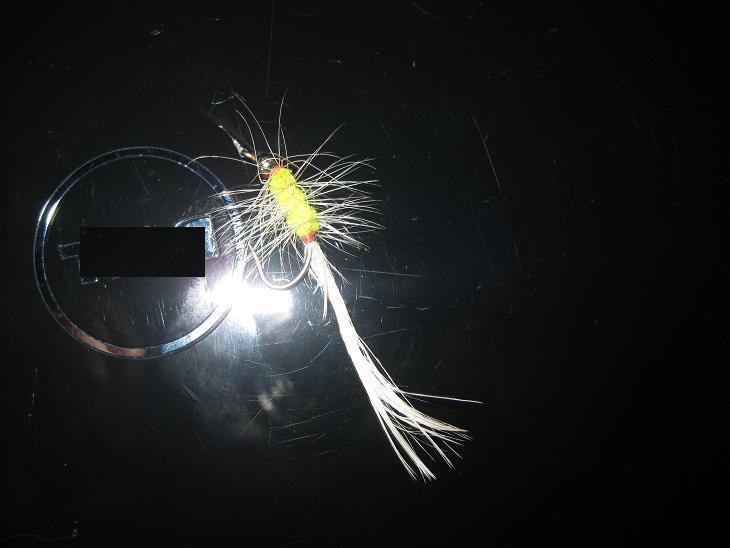
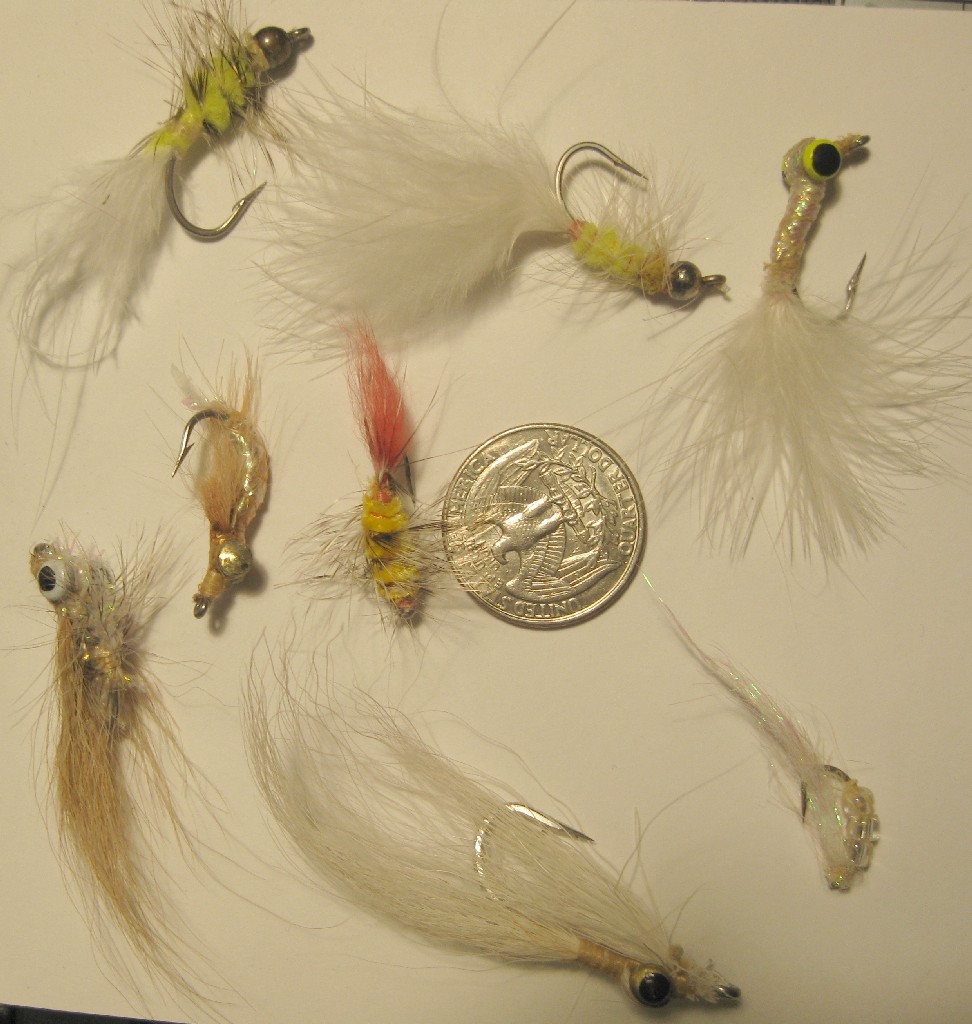
feet under the bobber) on LIGHT line. On the fly, zonkers and wooly worms get many for me.
While you will see most people pulling out the rope, focus you efforts using 8lb tackle with a 7 foot or
better rod and you will catch far more bass. Difficulty will lie
in that quick action will be needed immediately on the strike to steer
the bass, but contrary to popular belief , bass are not super powerhouses.
Yes, you may loose one or two, but you will make up for it in numbers.
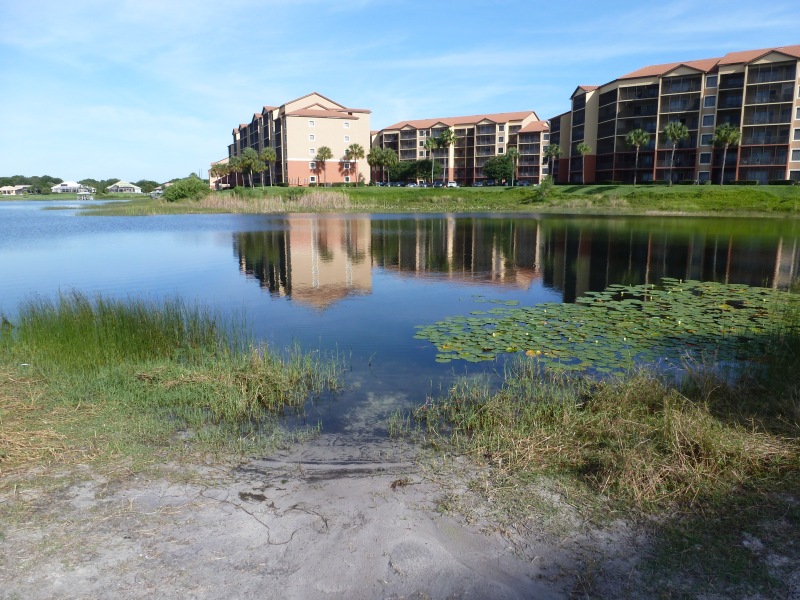
Look for ignored lakes (like the lots of ponds at many of the resorts)
and Sand Lake State Park, 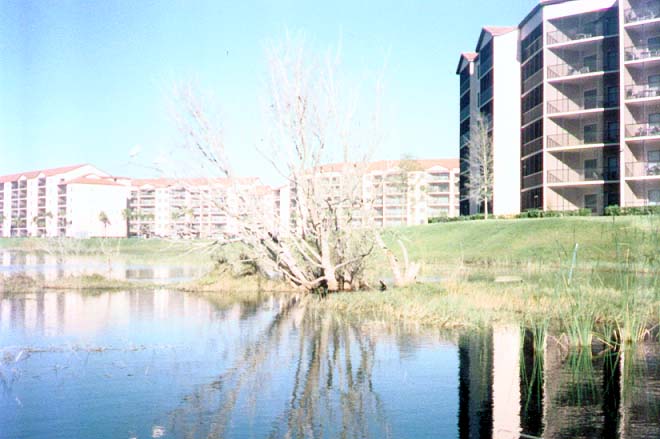 as
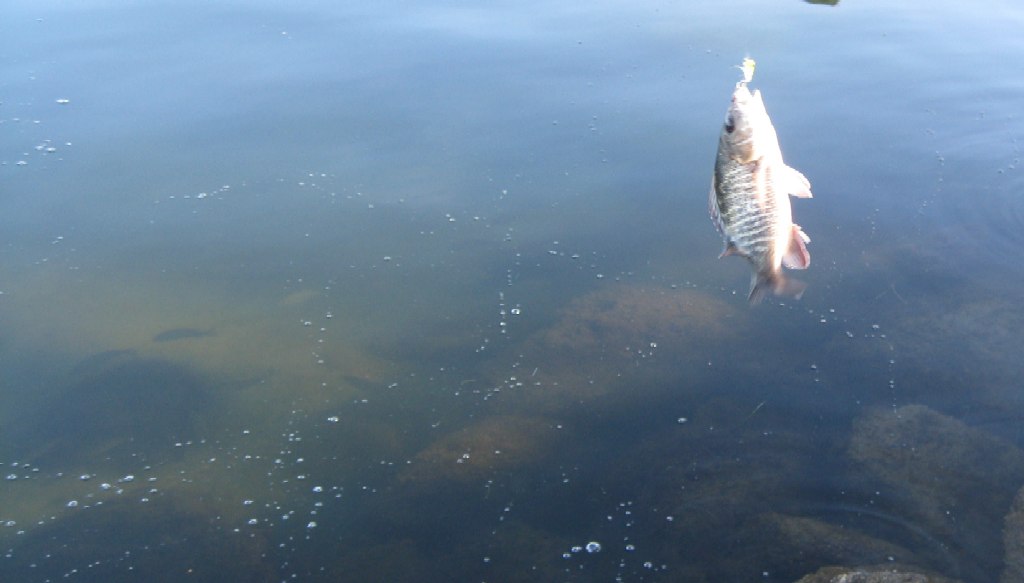
well as the numerous ramps along the St. Johns. For the exotics (ciclids inc.
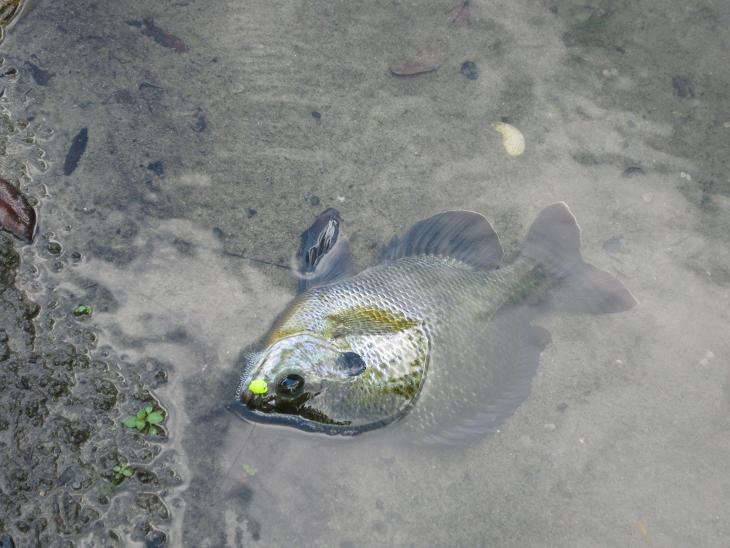
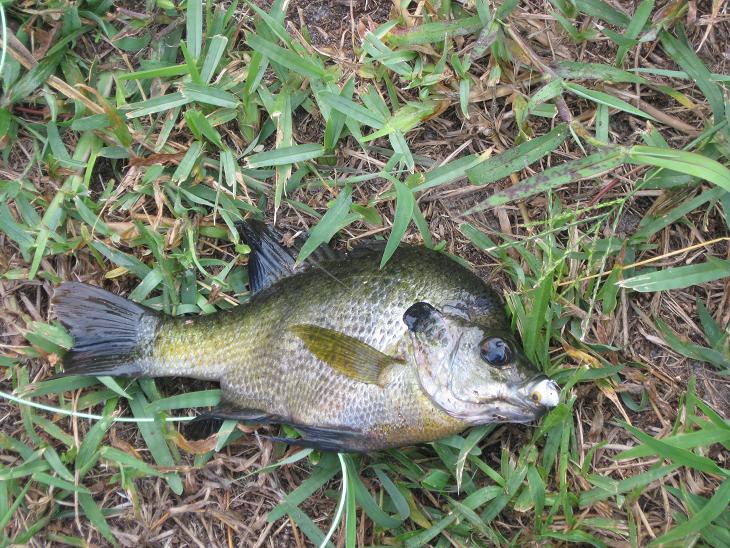
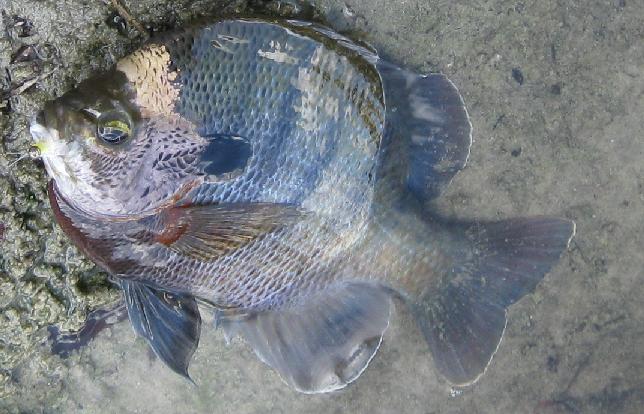
tilapia, etc) and the sunfish (red ears, bluegill) crickets, worms, and
cut fresh shrimp work fairly well fished free line using a #8 hook and
4lb-2lb test. In the afternoon the exotics and bluegill will be easily
spotted in shallow sandy areas and around docks where they can bask in
the sun, but they will be easier caught near sunset. Access to a boat will
get you access to the power plants which output warm water in the river,
and in turn attract lots of both freshwater and saltwater fish. A
live shrimp fished on light line with a small egg weight will produce,
as will a jig head + bass assassin (see below). Just remember--this
is the off season for inland fishing, so it can be tough after a cold front
comes through--and you may be better off heading west.
as
well as the numerous ramps along the St. Johns. For the exotics (ciclids inc.
tilapia, etc) and the sunfish (red ears, bluegill) crickets, worms, and
cut fresh shrimp work fairly well fished free line using a #8 hook and
4lb-2lb test. In the afternoon the exotics and bluegill will be easily
spotted in shallow sandy areas and around docks where they can bask in
the sun, but they will be easier caught near sunset. Access to a boat will
get you access to the power plants which output warm water in the river,
and in turn attract lots of both freshwater and saltwater fish. A
live shrimp fished on light line with a small egg weight will produce,
as will a jig head + bass assassin (see below). Just remember--this
is the off season for inland fishing, so it can be tough after a cold front
comes through--and you may be better off heading west.
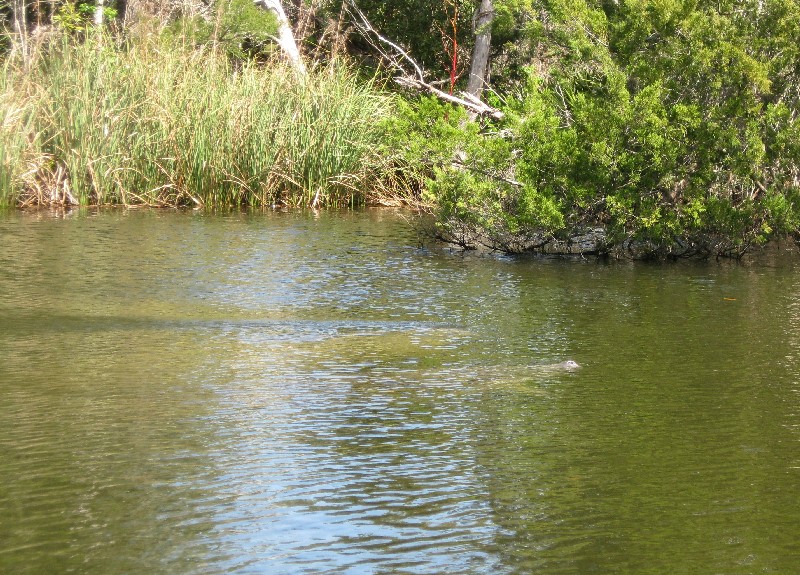
Since winter is the off season on Florida’'s
Central West Coast, for all except those seeking manatees (See this article
: Friendly Crystal River Manatees), boats and lodging is inexpensive,
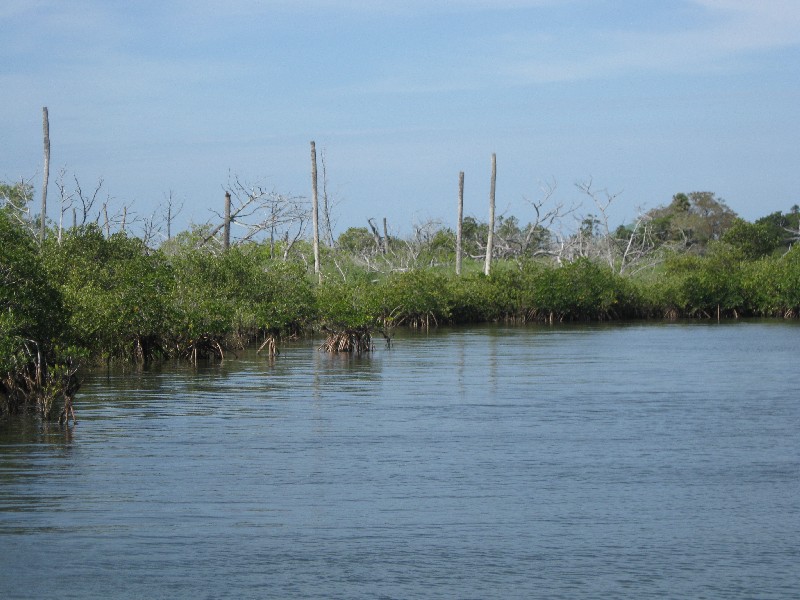
and except around the manatees, un-crowded. Homosassa is my number
one choice,, with Crystal river following as a number two choice.
Jon boats can be rented for a day, and since you won't be moving
faster than idle anyhow, fuel costs are negligible. The Homosassa
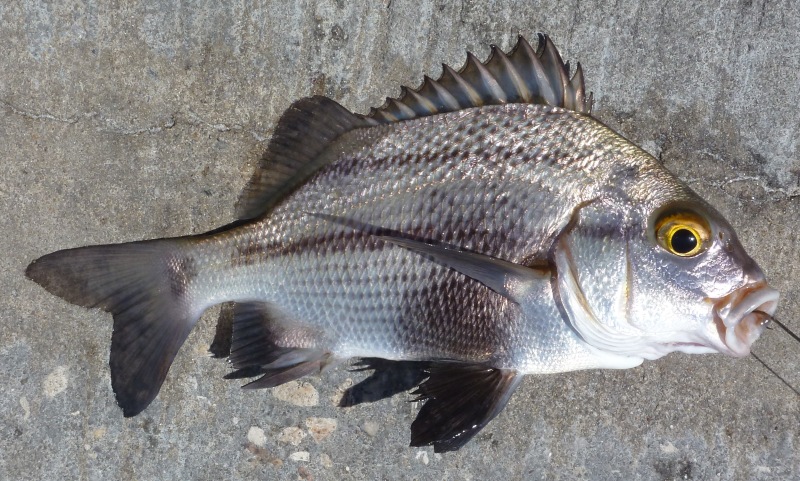
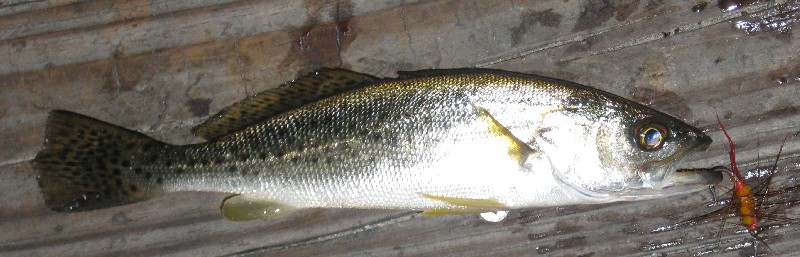
River mouth hosts unbelievable populations of speckled trout, sheepsheads,
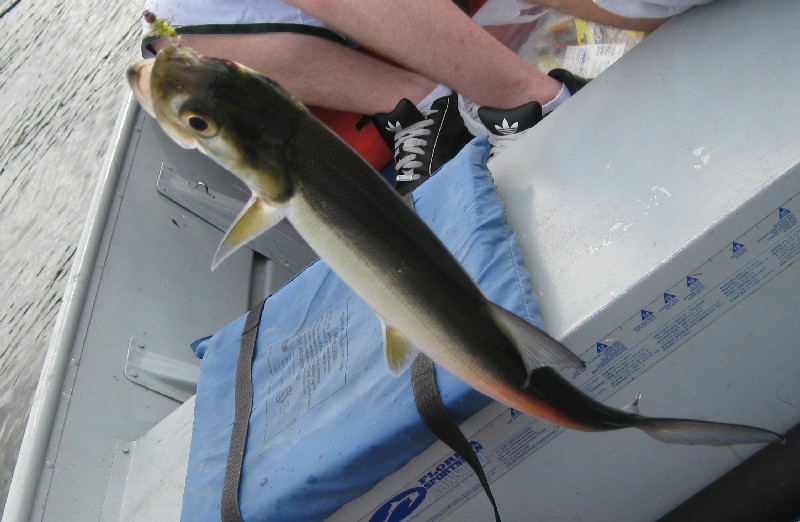
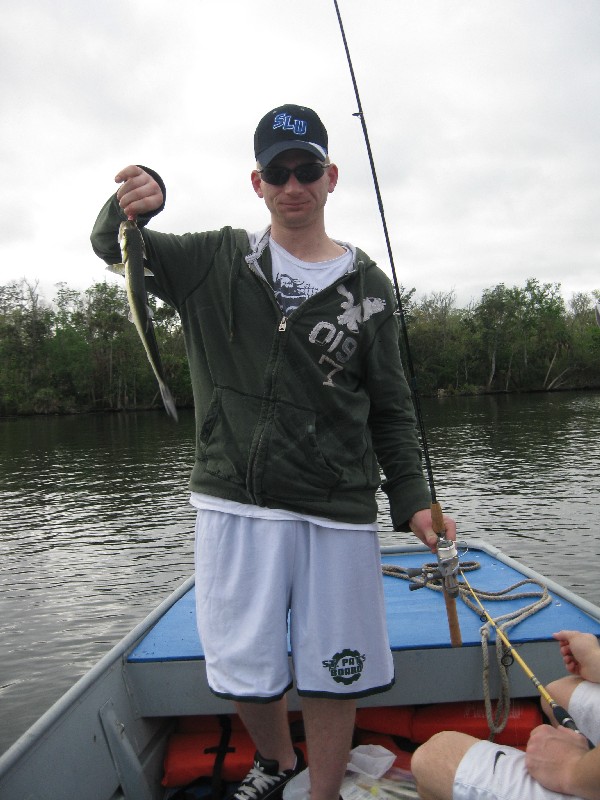
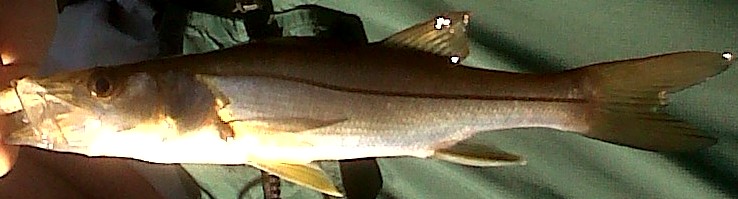
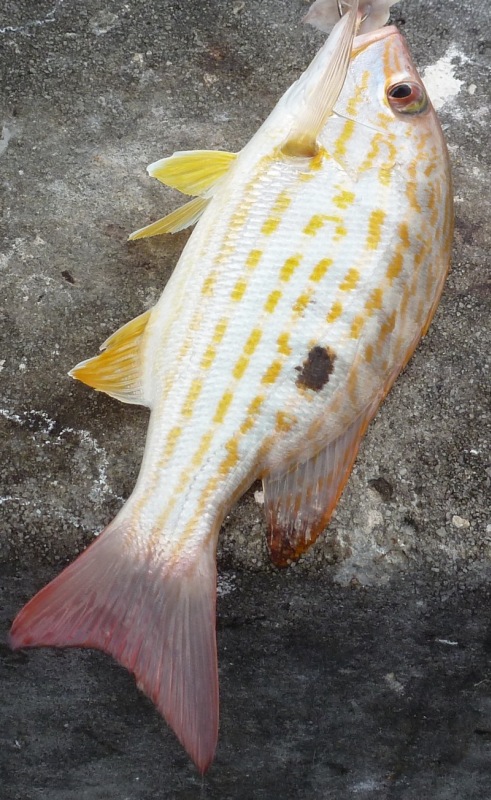
and flounder in its lower reaches, and manatees, jacks, ladyfish, snook, and snappers
near its top. 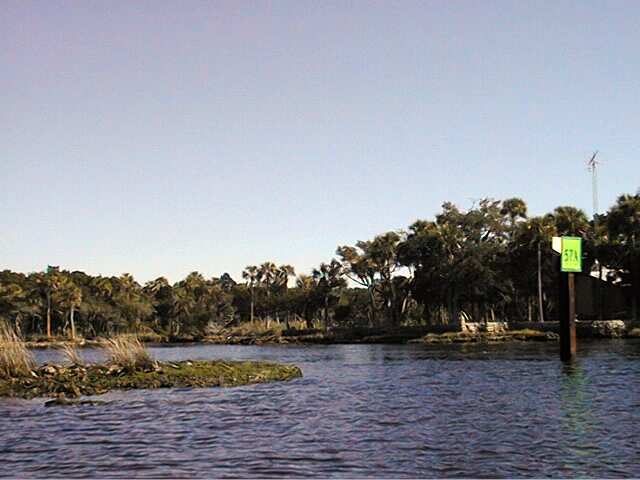 This is a good family adventure, since you can draft all available eyes
to look for manatees and oyster bars as you drive around the river (and
there are lots!). Get a very good map of the river and when the motor
is on, stick to the marked channels!! If live shrimp are available,
get a few dozen, but don't panic if you can't (we usually never use them
since the fishing is that fast). On the tide changes, head down a
few miles into the mouth of the river, and look for areas where many tidal
creeks join a throat in the main channel and form a backflow or deep hole,
and look for oyster bars that break the current. Pull the boat to the edge
of the channel, and then shut off and pull up the motor, and row out of
the channel to a point within casting distance of the channel behind one
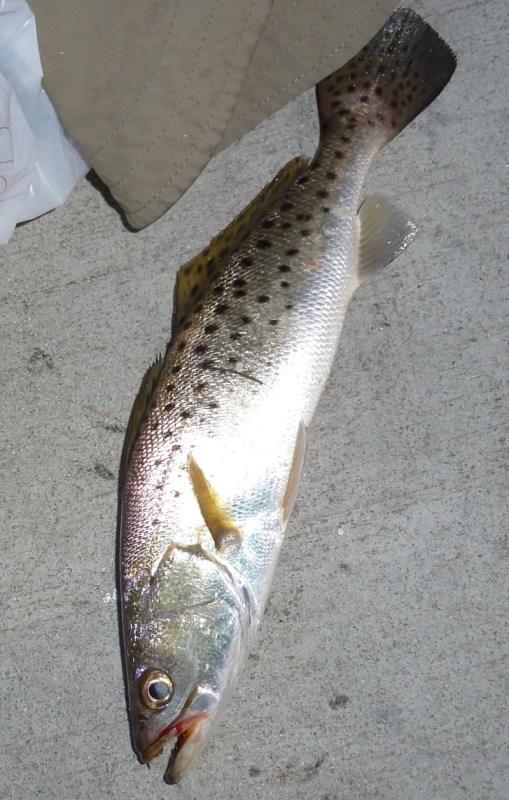
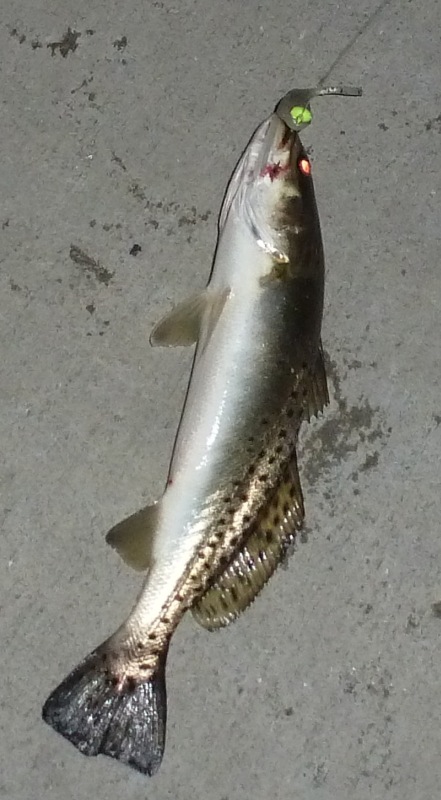
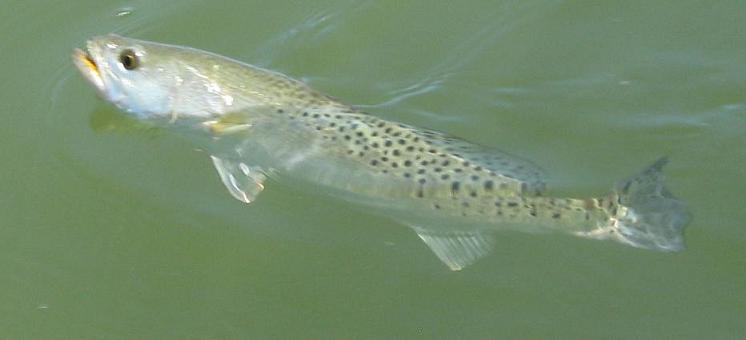
of the oyster bars and anchor. The spotted seatrout will hold on the edge of the current,
and at points where the creeks pour into the deepest parts of the channel,
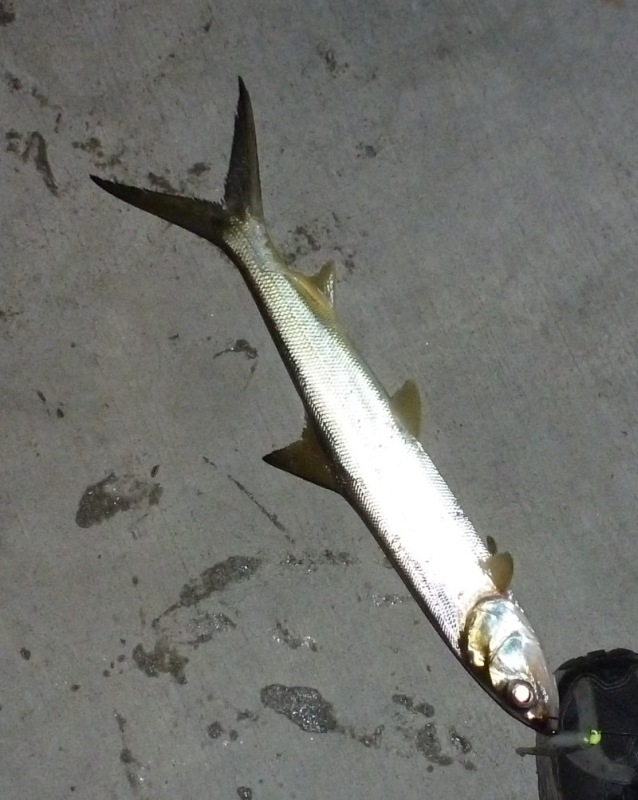
but once you find one, you have found hundreds. Ditto for Ladyfish.
This is a good family adventure, since you can draft all available eyes
to look for manatees and oyster bars as you drive around the river (and
there are lots!). Get a very good map of the river and when the motor
is on, stick to the marked channels!! If live shrimp are available,
get a few dozen, but don't panic if you can't (we usually never use them
since the fishing is that fast). On the tide changes, head down a
few miles into the mouth of the river, and look for areas where many tidal
creeks join a throat in the main channel and form a backflow or deep hole,
and look for oyster bars that break the current. Pull the boat to the edge
of the channel, and then shut off and pull up the motor, and row out of
the channel to a point within casting distance of the channel behind one
of the oyster bars and anchor. The spotted seatrout will hold on the edge of the current,
and at points where the creeks pour into the deepest parts of the channel,
but once you find one, you have found hundreds. Ditto for Ladyfish. 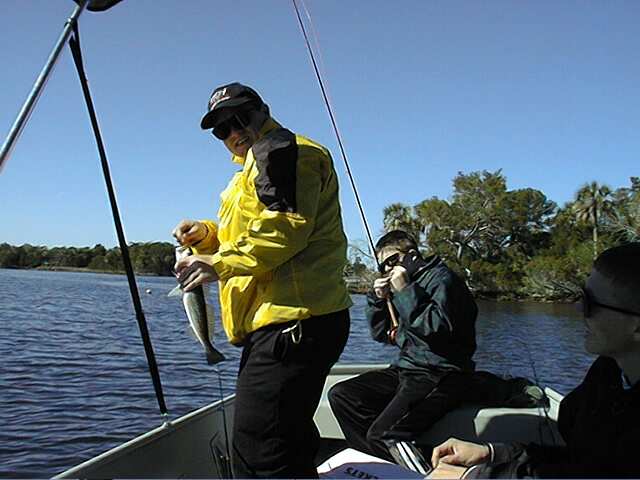 For Spinning rods we usually rig an 8lb-4lb class rod with a 1/4 oz jig head
and 3" silver/black/sparkled bass assassin and probe the by casting and
letting the jig sink to the bottom, then retrieving with slow to moderate
jerks. Fly wise, a clouser sz 2 works. DO this until you find where the school is holding, because
when you find them, every cast into that area will get hit. Rig another
rod with a bait-finder rig and #2 hook with the live shrimp hooked through
the tail and it will also get hit. If you tire of the immense numbers
of undersized trout (sub-14"), use the same 1/4oz jig head (Hurricane Jig
heads in chartreuse are my favorites) with a 5" or 7" assassin(or on the fly, a large eyed zonker) to try for
the larger trout. Note that if the trout are really turned on, a
5" clouser or deceiver on intermediate 7wgt fly tackle will also produce.
While parked, fan cast along exposed oyster bars and saw grass for redfish
and bass, or toss free lined live shrimp in the same areas for sheepsheads
and black drum. When the trout stop biting or you have had your fill (we
release em all, but if the season is open, one or two in the 16" range
offer a good break from hotel food if you have access to an oven), head
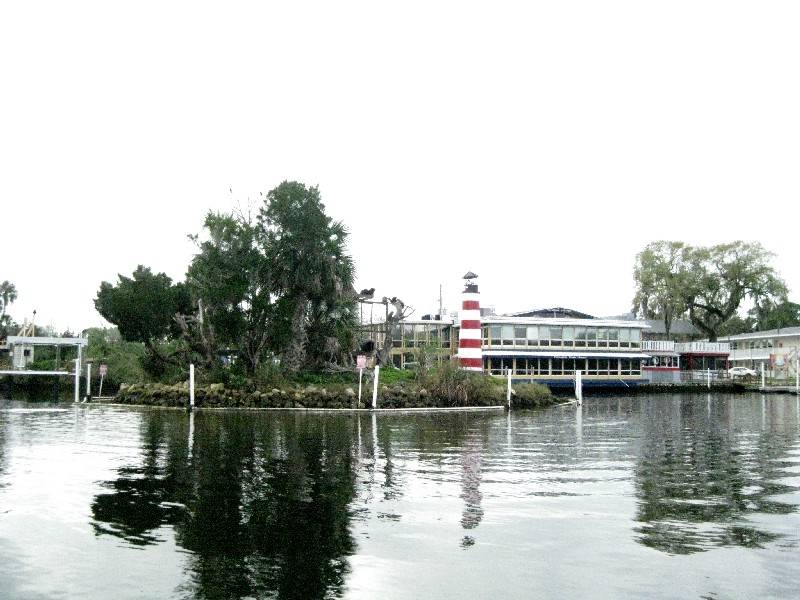
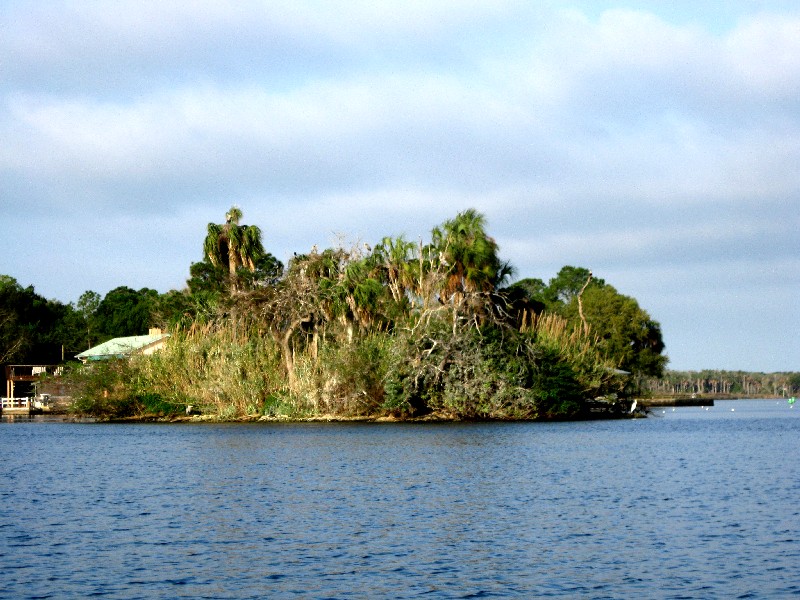
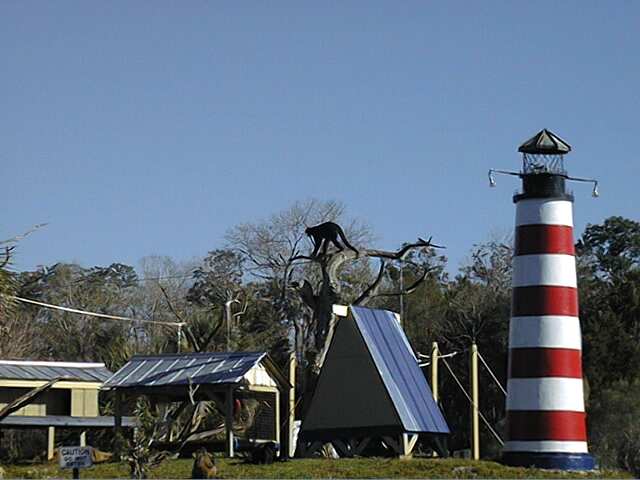
up river towards the spring. Take a swing by the Monkey Island to observe
the monkeys that inhabit this small island (BUT DO NOT ATTEMPT TO APPROACH
OR FEED THEM-they are retired from medical research). Also, once
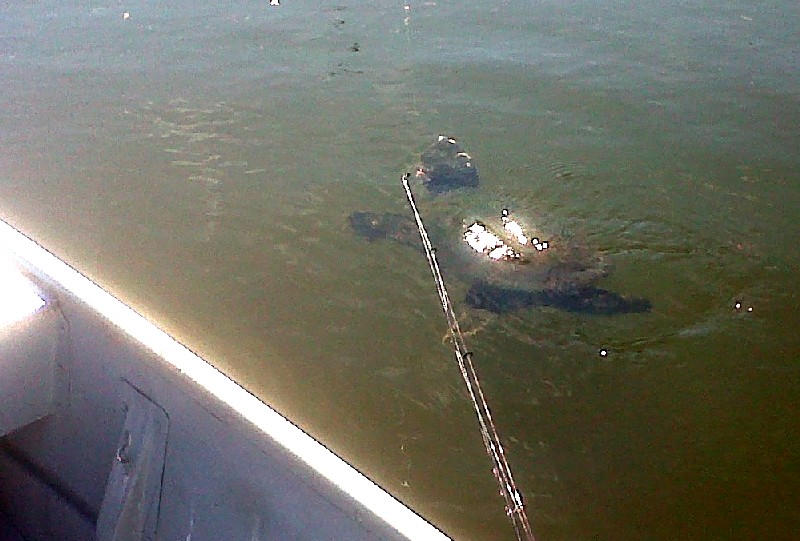
you pass the monkeys, you will start seeing manatees a plenty so extra
caution is required.
For Spinning rods we usually rig an 8lb-4lb class rod with a 1/4 oz jig head
and 3" silver/black/sparkled bass assassin and probe the by casting and
letting the jig sink to the bottom, then retrieving with slow to moderate
jerks. Fly wise, a clouser sz 2 works. DO this until you find where the school is holding, because
when you find them, every cast into that area will get hit. Rig another
rod with a bait-finder rig and #2 hook with the live shrimp hooked through
the tail and it will also get hit. If you tire of the immense numbers
of undersized trout (sub-14"), use the same 1/4oz jig head (Hurricane Jig
heads in chartreuse are my favorites) with a 5" or 7" assassin(or on the fly, a large eyed zonker) to try for
the larger trout. Note that if the trout are really turned on, a
5" clouser or deceiver on intermediate 7wgt fly tackle will also produce.
While parked, fan cast along exposed oyster bars and saw grass for redfish
and bass, or toss free lined live shrimp in the same areas for sheepsheads
and black drum. When the trout stop biting or you have had your fill (we
release em all, but if the season is open, one or two in the 16" range
offer a good break from hotel food if you have access to an oven), head
up river towards the spring. Take a swing by the Monkey Island to observe
the monkeys that inhabit this small island (BUT DO NOT ATTEMPT TO APPROACH
OR FEED THEM-they are retired from medical research). Also, once
you pass the monkeys, you will start seeing manatees a plenty so extra
caution is required.
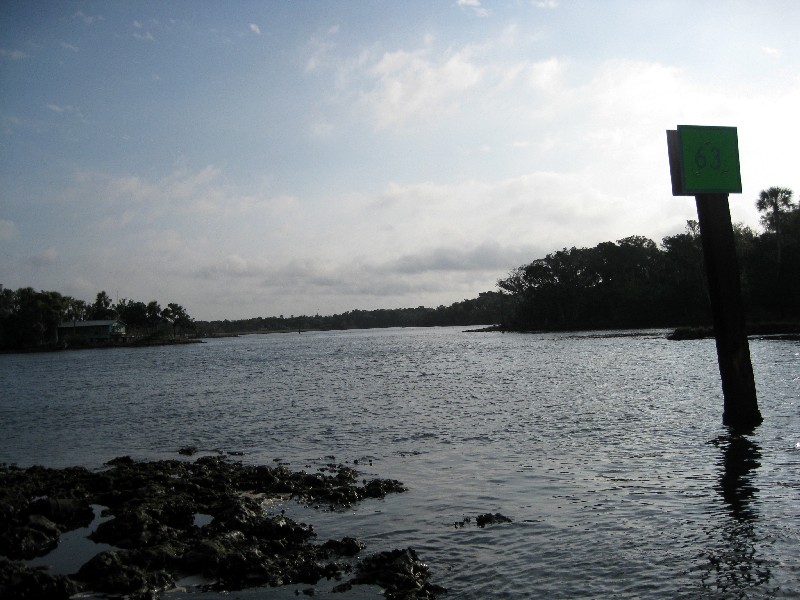
 As you head up river, look for the rock piles (just look for the 'danger'
signs) and cast jig or shrimp towards them. Also, look in the
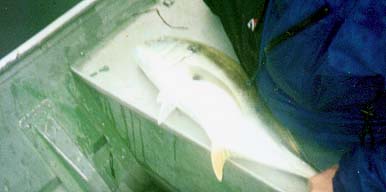
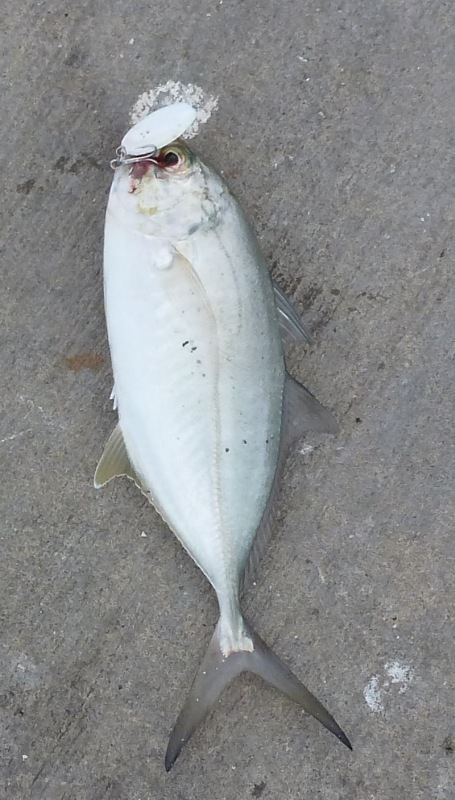
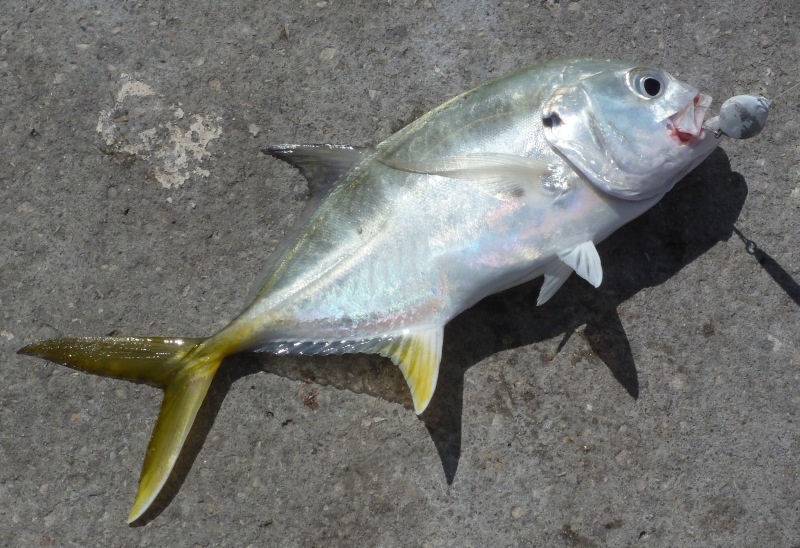
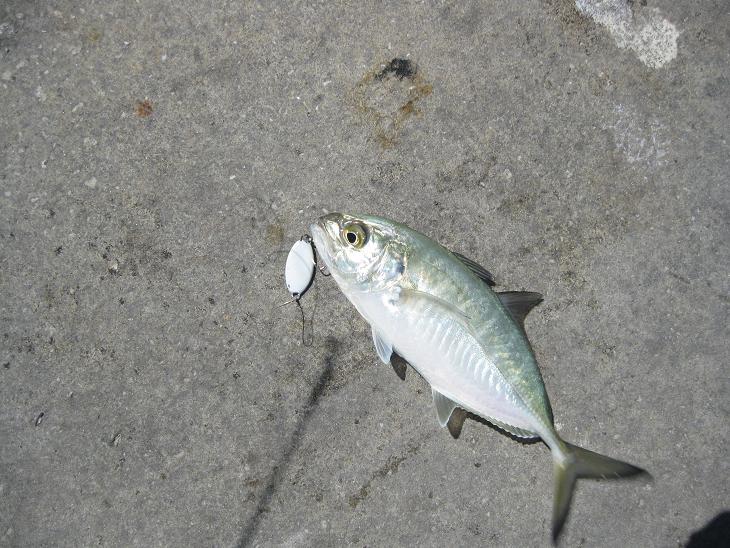
boat basin and side areas for schools of jack crevalle and ladyfish,
and cast ahead of them with the jigs (it helps to leader the jigs with
30lb fluorocarbon to prevent cutoffs from the sharp gills and jaws of the
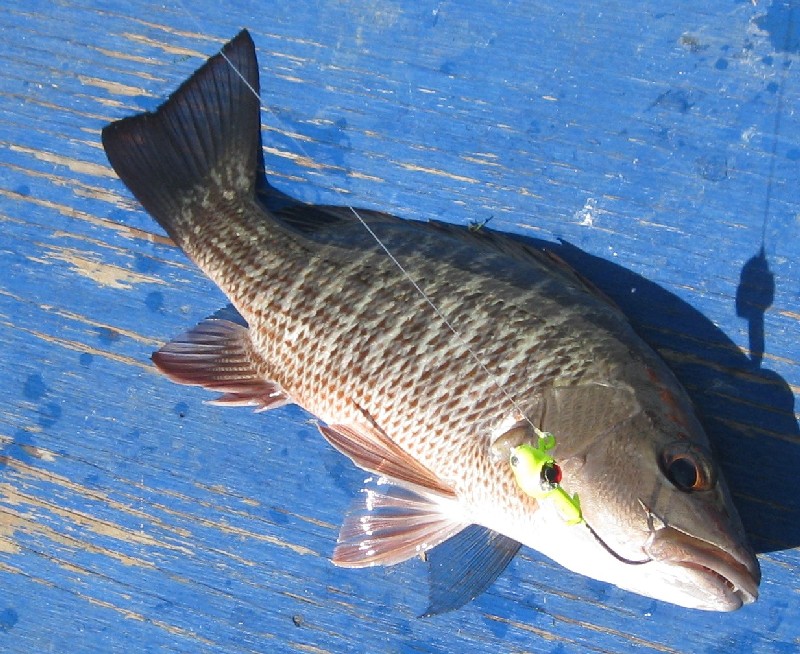
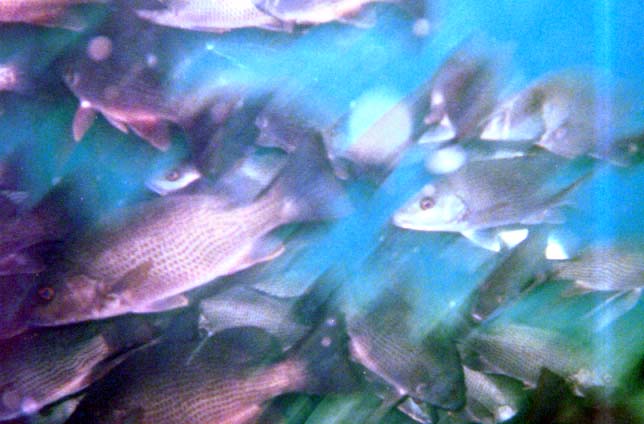
ladyfish and jacks). Look also for tight schools of mangrove snappers,
which will hit a free lined live shrimp.NOTE: WATCH FOR MANATEE ZONES AND OBSERVE REGS (some zones are no-fishing FYI)
As you head up river, look for the rock piles (just look for the 'danger'
signs) and cast jig or shrimp towards them. Also, look in the
boat basin and side areas for schools of jack crevalle and ladyfish,
and cast ahead of them with the jigs (it helps to leader the jigs with
30lb fluorocarbon to prevent cutoffs from the sharp gills and jaws of the
ladyfish and jacks). Look also for tight schools of mangrove snappers,
which will hit a free lined live shrimp.NOTE: WATCH FOR MANATEE ZONES AND OBSERVE REGS (some zones are no-fishing FYI)
TO THE EAST:
While it is hard to compete with the
excellent fishing at Homosassa in the winter, the Titusville/ Cape Kennedy/
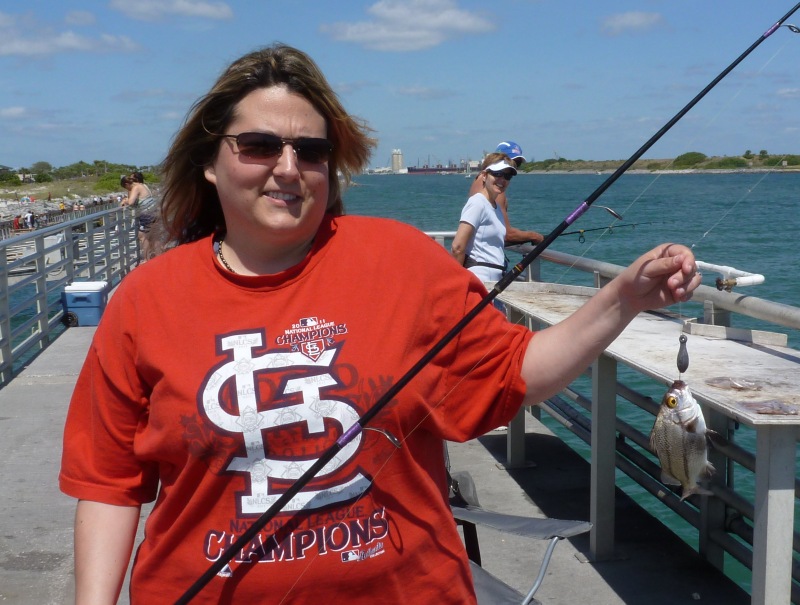
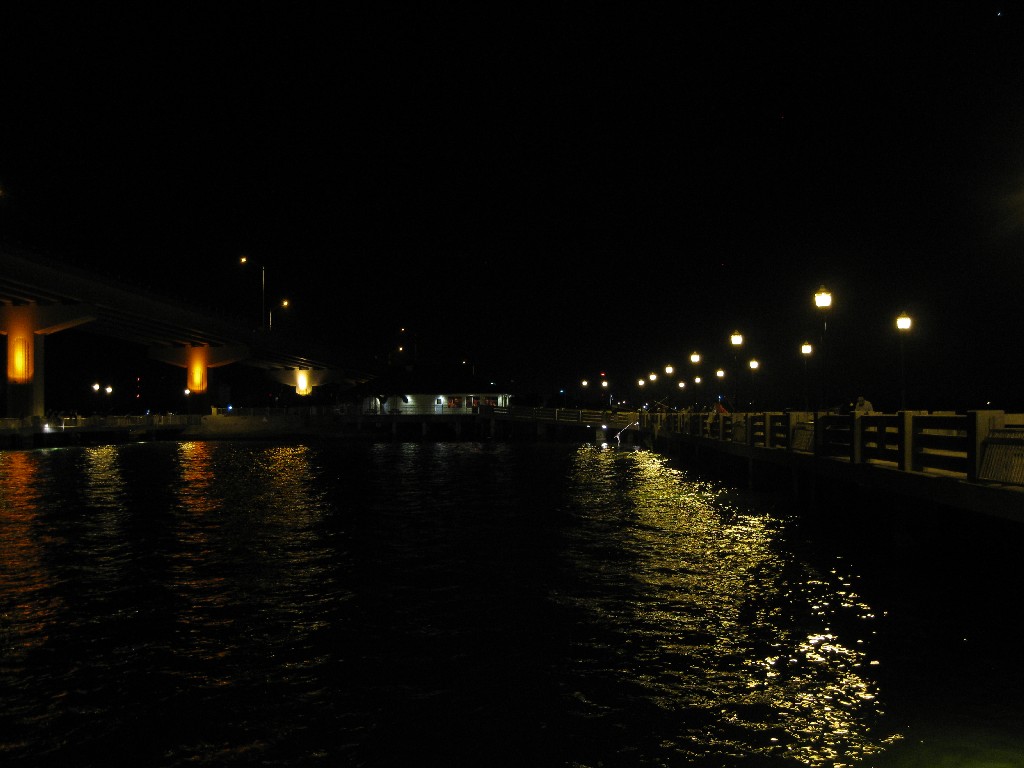
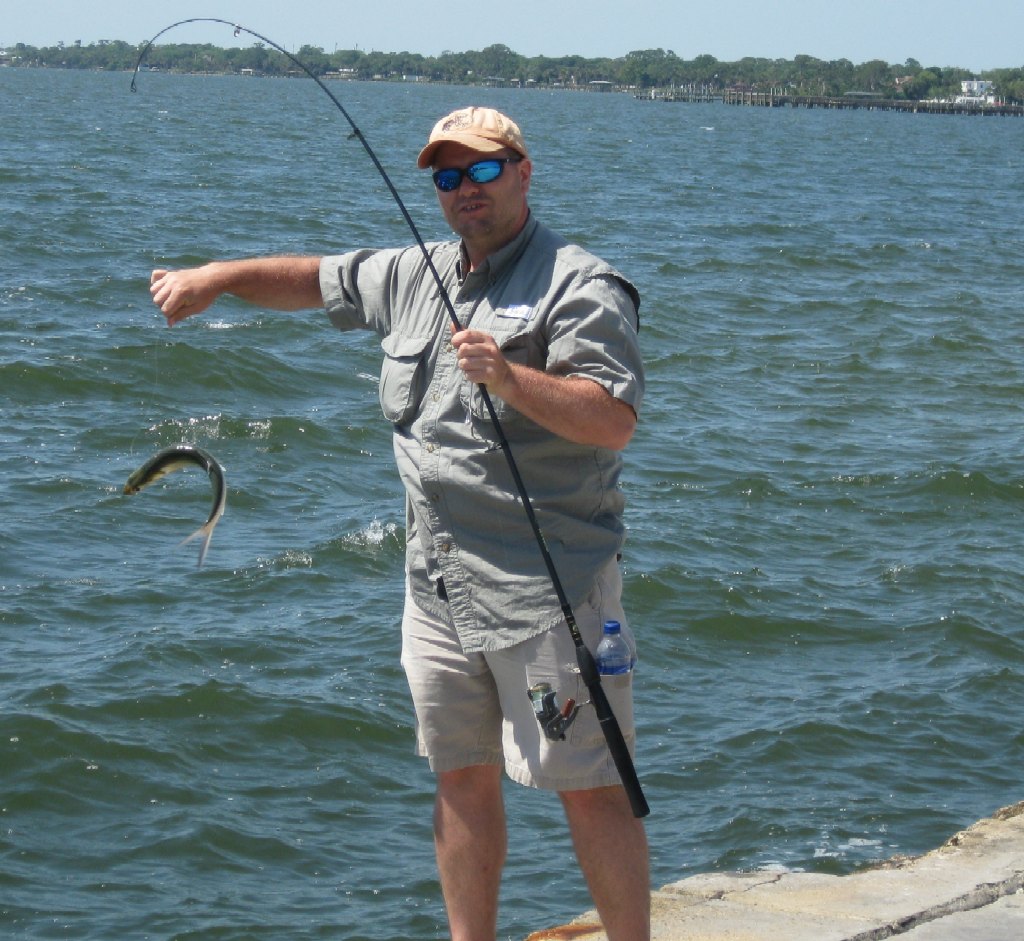
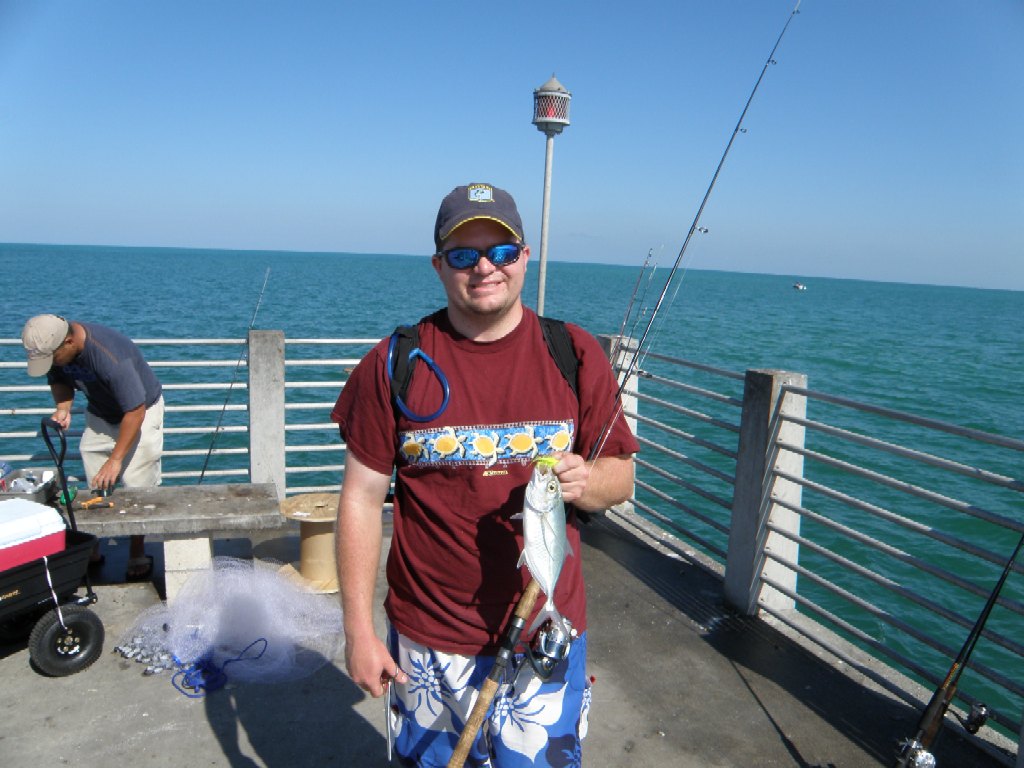
Cocoa Area can also be a good spot for fish. The Veterans Pier in Titusville is amaizing for white trout and speckled seatrout year-round (and for shrimp) Snook and Mangrove Snappers can be found up
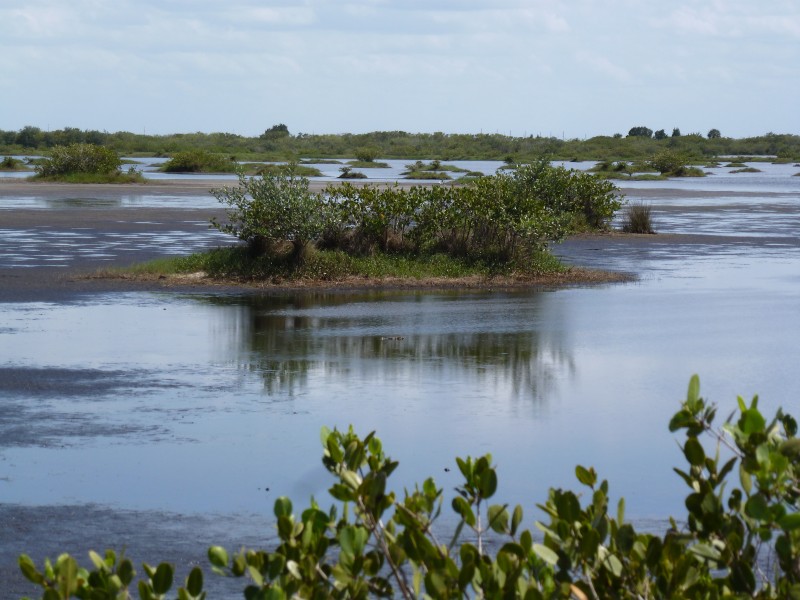
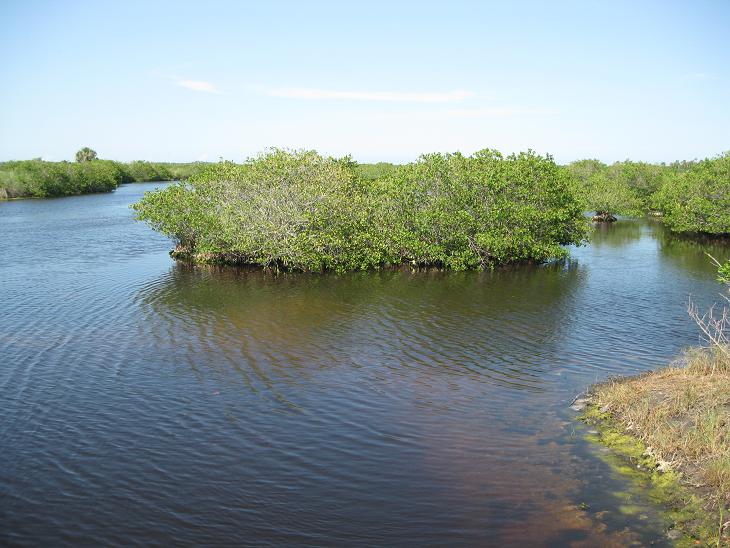
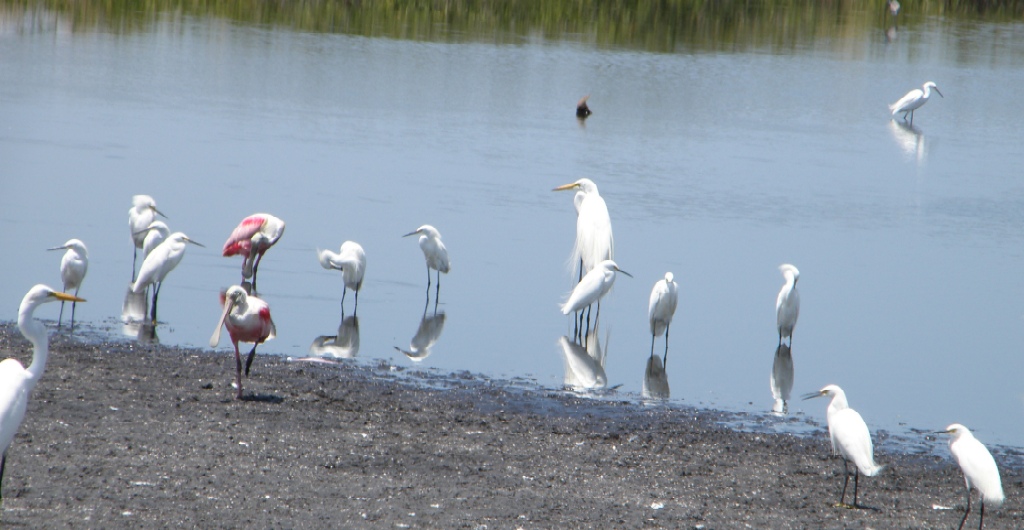
at Haulover Canal in the Merritt Island Wildlife refuge. 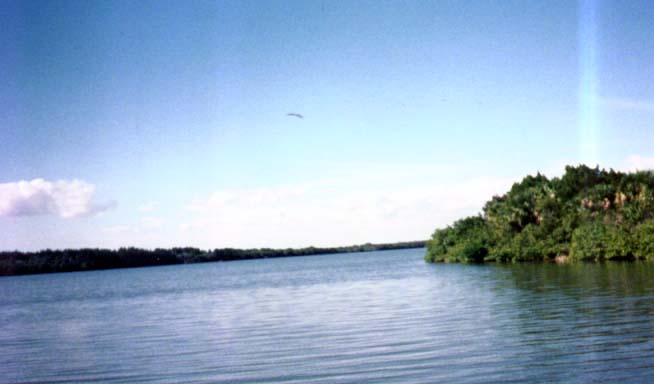 Drive past the manatee viewing area into the palms and sand (good for a
rental car) to a pull off, then poke a rod through the palms and
pitch either a lipped plug or the aforementioned jig and assassin retrieved
along the edges of the canal for snook in the fishing areas. If you want to put out a
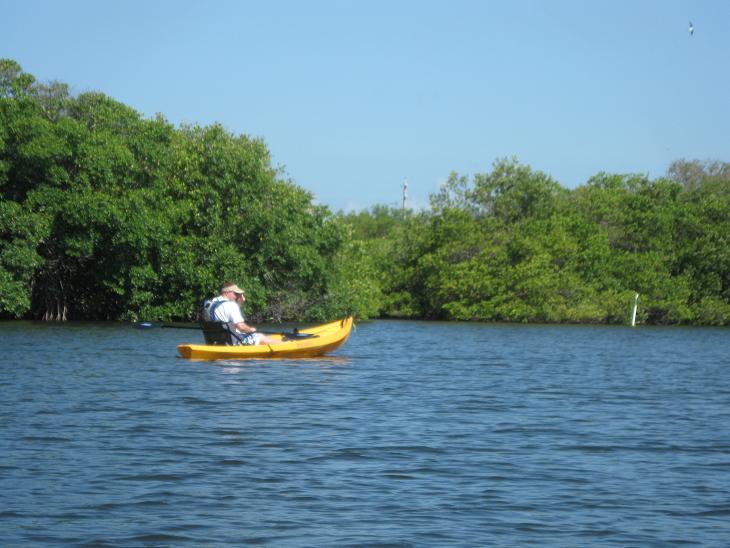
little money for a rowboat, canoe, or kayak, the deeper channels in the
Banana River no-motor zone also hold good populations of redfish, black drum, and sea
trout (live shrimp are the best, as usual, but zara spooks, asassins, and others works too).Fly-wise, clousers again are the ticket. However, if you
are boat-less in the area (as we usually are), try under the easternmost
Banana River bridge into Cape Canaveral (Hwy 528)
Drive past the manatee viewing area into the palms and sand (good for a
rental car) to a pull off, then poke a rod through the palms and
pitch either a lipped plug or the aforementioned jig and assassin retrieved
along the edges of the canal for snook in the fishing areas. If you want to put out a
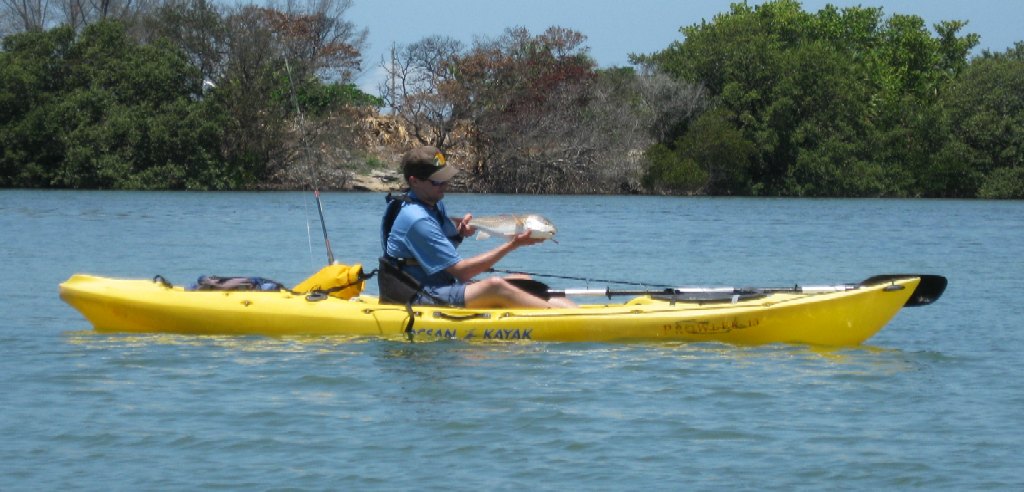
little money for a rowboat, canoe, or kayak, the deeper channels in the
Banana River no-motor zone also hold good populations of redfish, black drum, and sea
trout (live shrimp are the best, as usual, but zara spooks, asassins, and others works too).Fly-wise, clousers again are the ticket. However, if you
are boat-less in the area (as we usually are), try under the easternmost
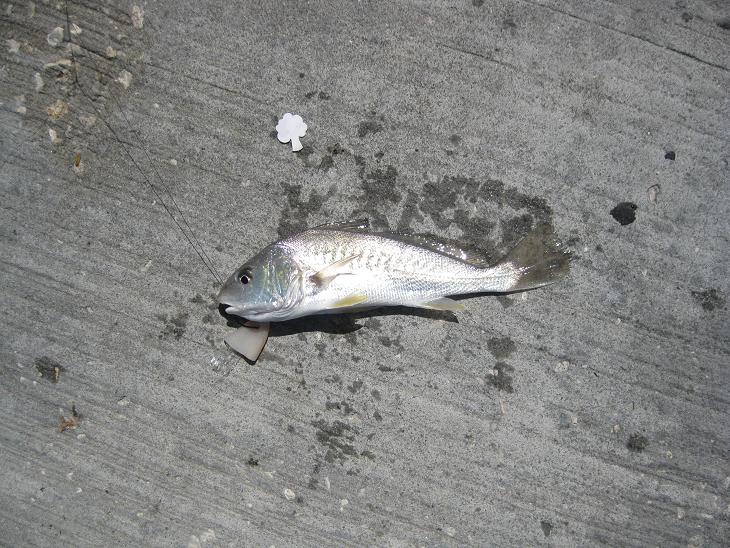
Banana River bridge into Cape Canaveral (Hwy 528)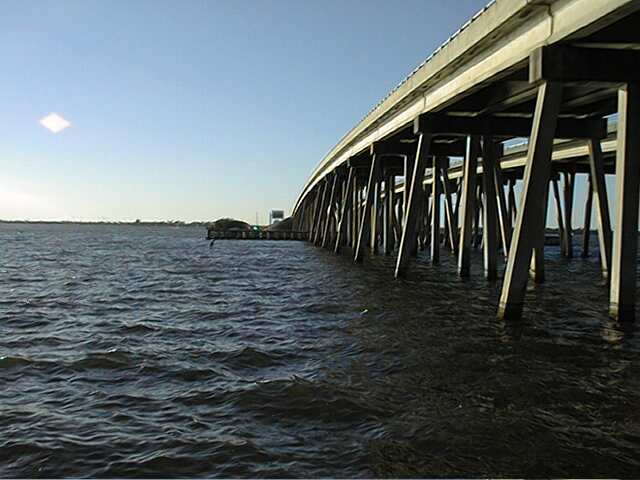 in the morning and evening with live shrimp or shrimp pieces for southern
kingfish (a.k.a whiting) sea trout, and redfish. Cast lures for ladyfish and jacks. Just follow the
side road to drive under the bridge, and cast out toward the last pilings
on the south or north sides.
in the morning and evening with live shrimp or shrimp pieces for southern
kingfish (a.k.a whiting) sea trout, and redfish. Cast lures for ladyfish and jacks. Just follow the
side road to drive under the bridge, and cast out toward the last pilings
on the south or north sides. 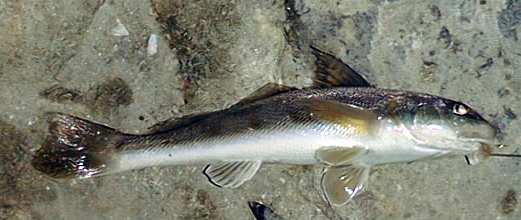 Also,
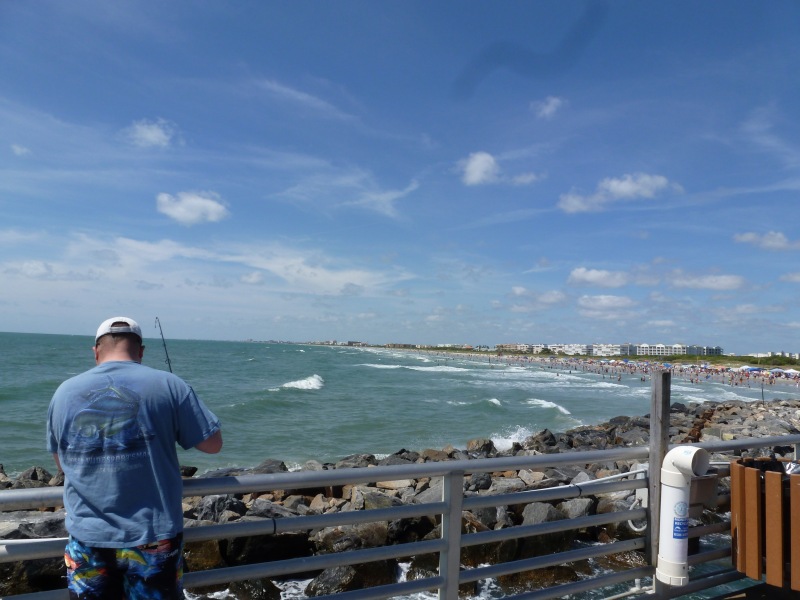
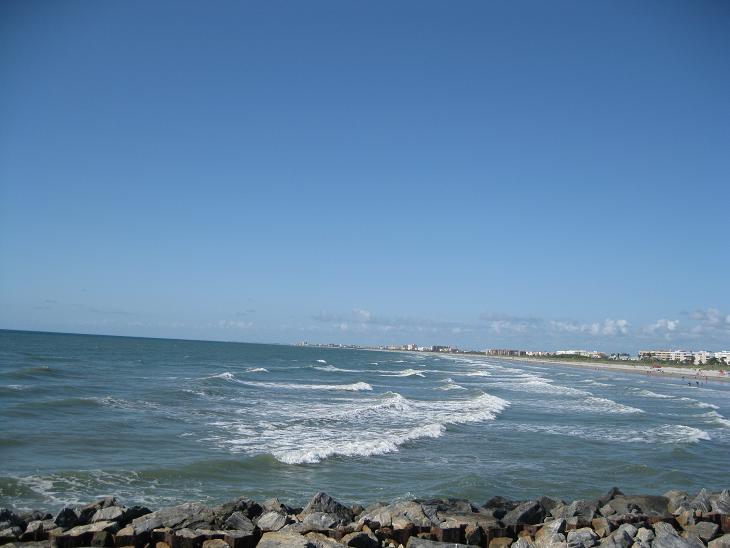
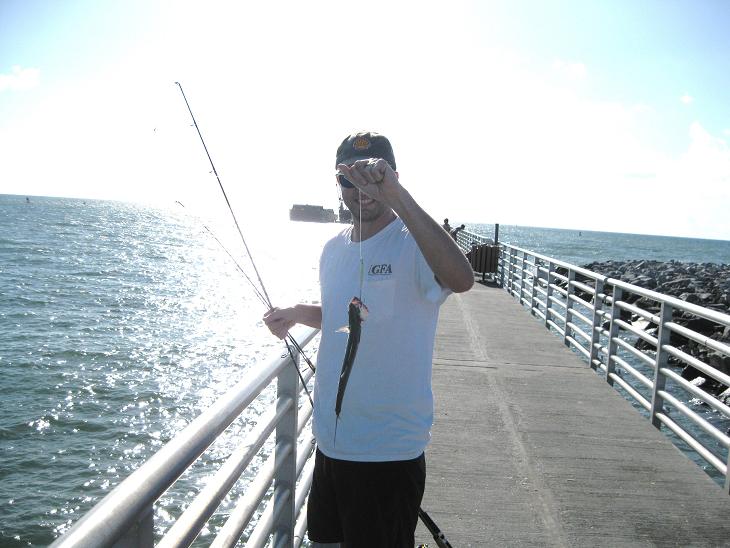
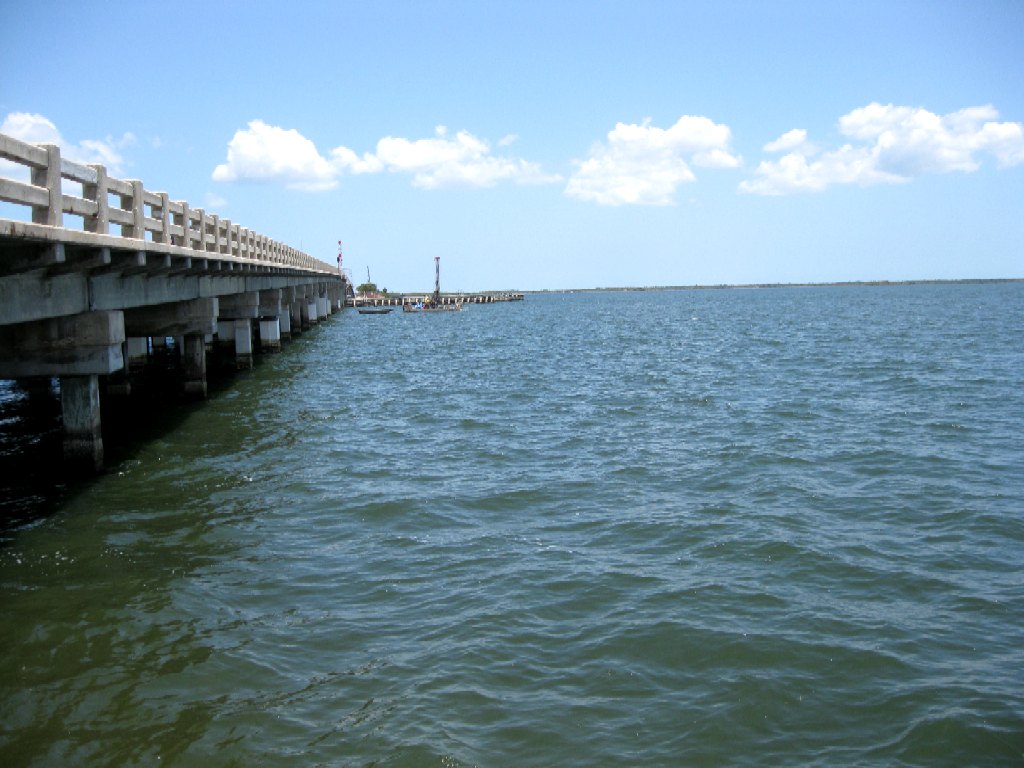
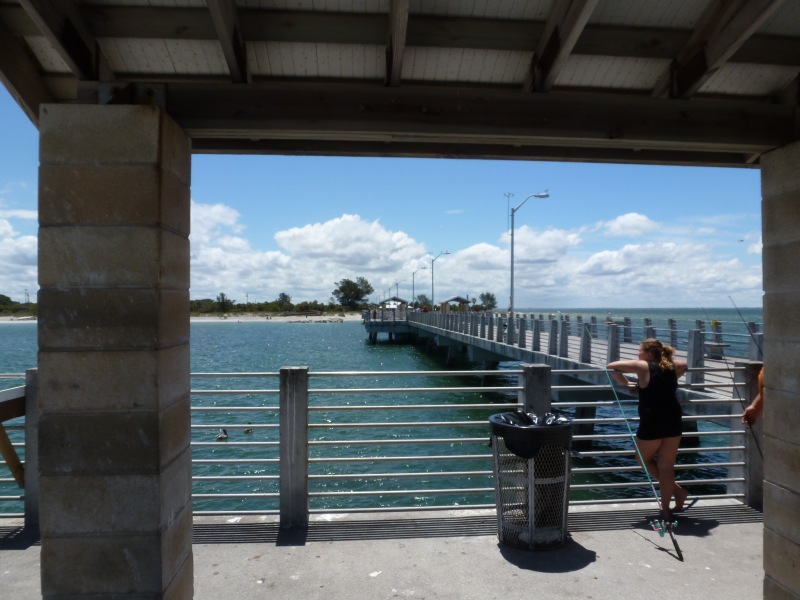
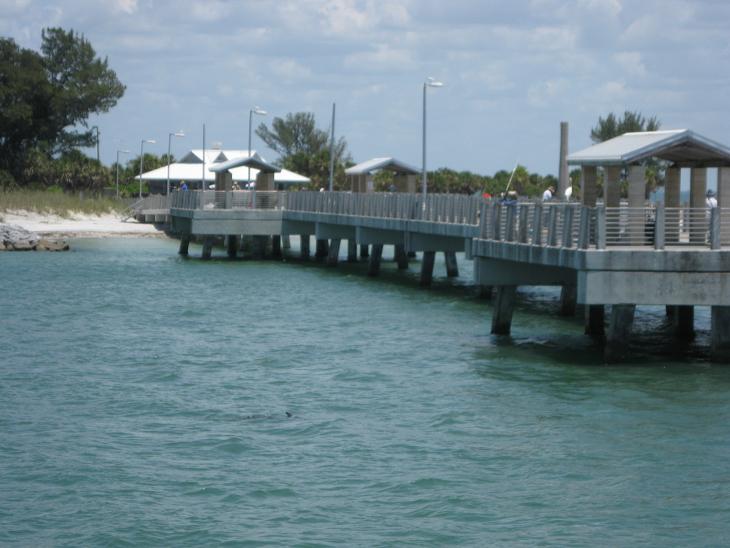
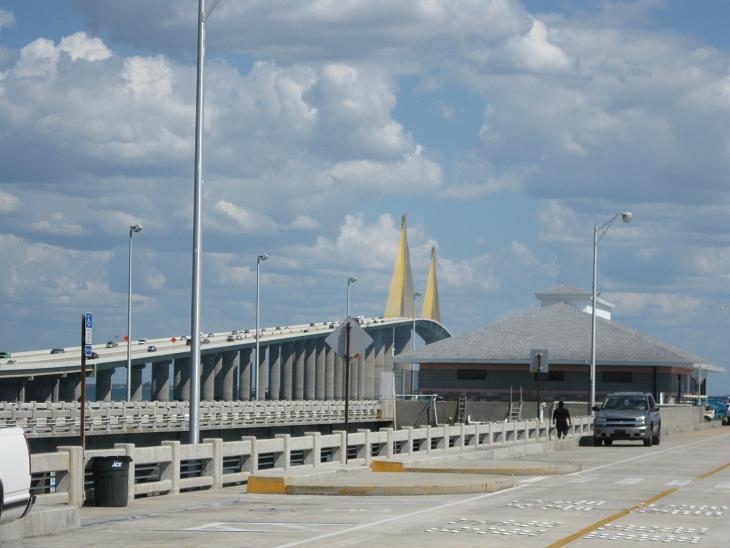
take 528 to A-1A to either the Cape Canaveral Jetty Pier
Also,
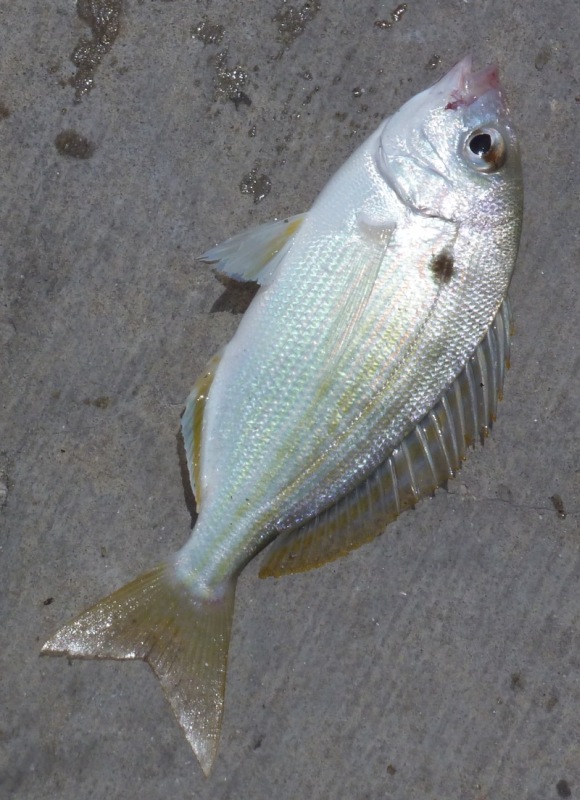
take 528 to A-1A to either the Cape Canaveral Jetty Pier 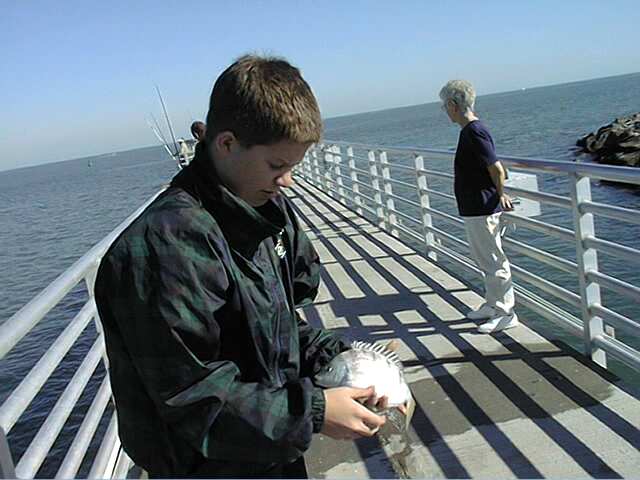 (live
shrimp near the deeper part of the pier on 4lb test baitfinder rig will
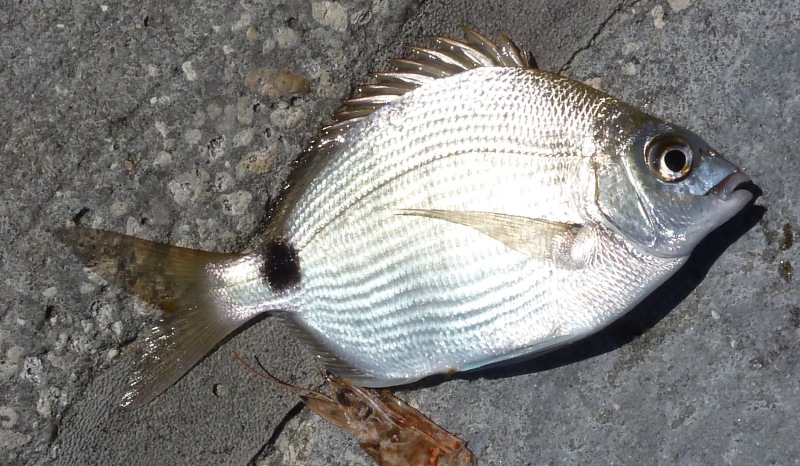
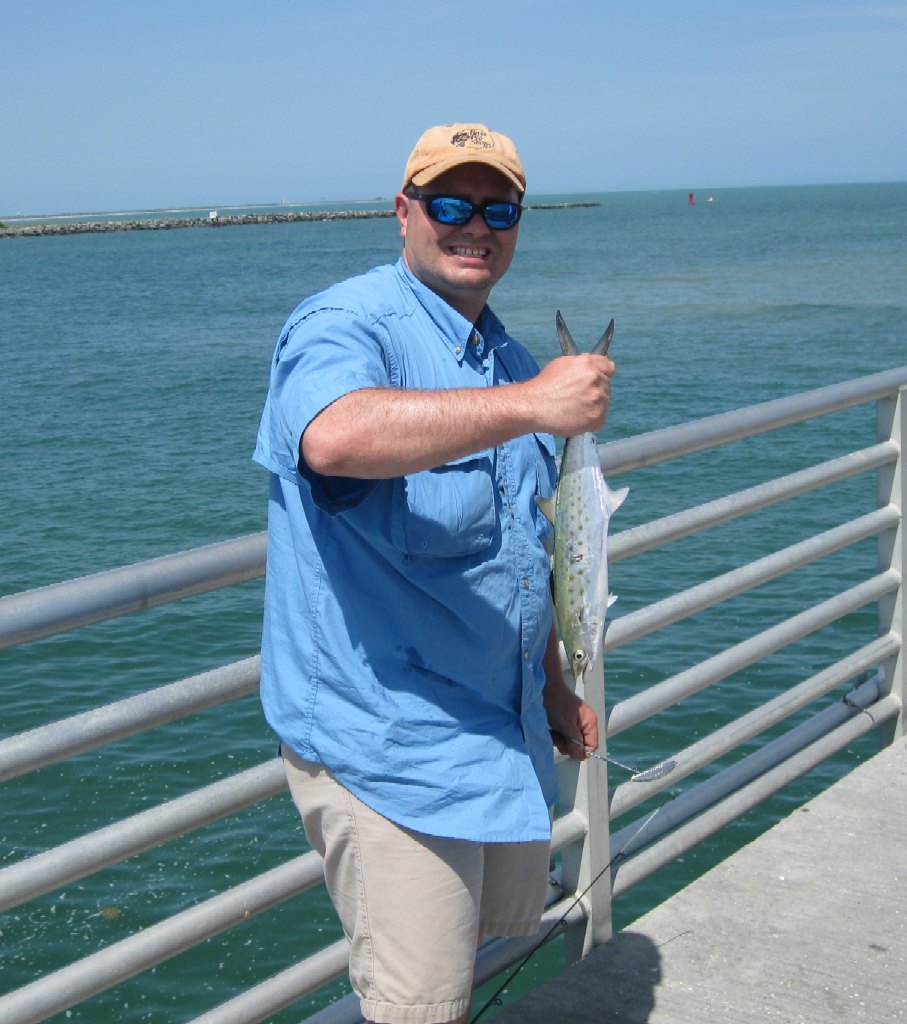
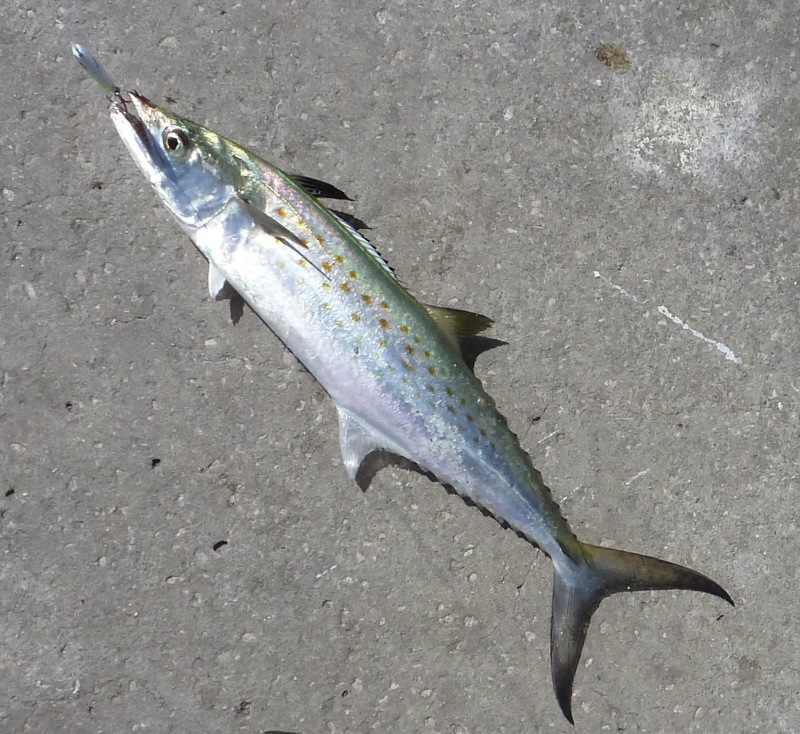
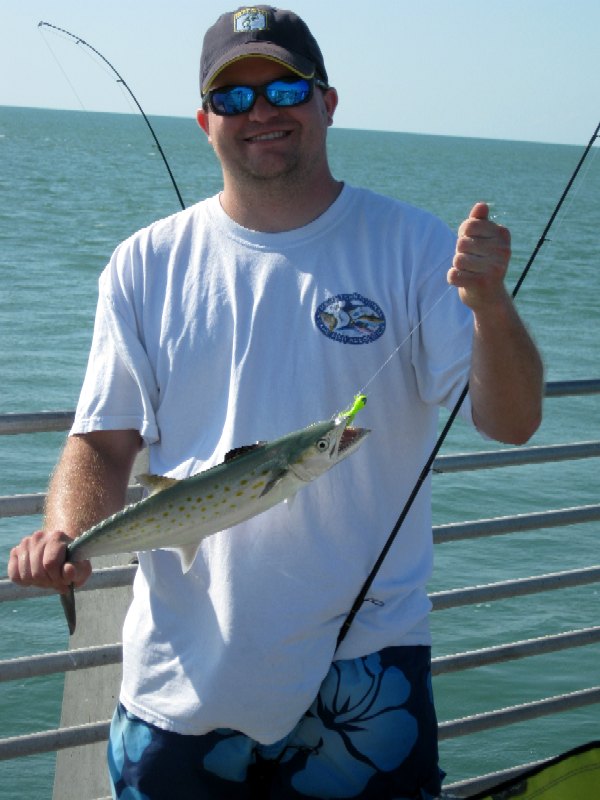
produce large pinfish and black margates in the 2lb range, or flyline mullet
on a 30lb fluorocarbon leader for Spanish mackerel off the end, or use jigging spoons and casting spoons) or south
along the beach to the Cocoa Beach Pier.
(live
shrimp near the deeper part of the pier on 4lb test baitfinder rig will
produce large pinfish and black margates in the 2lb range, or flyline mullet
on a 30lb fluorocarbon leader for Spanish mackerel off the end, or use jigging spoons and casting spoons) or south
along the beach to the Cocoa Beach Pier. 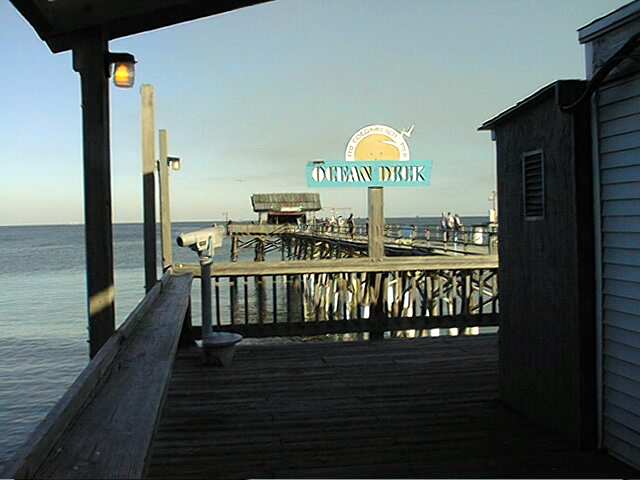 If
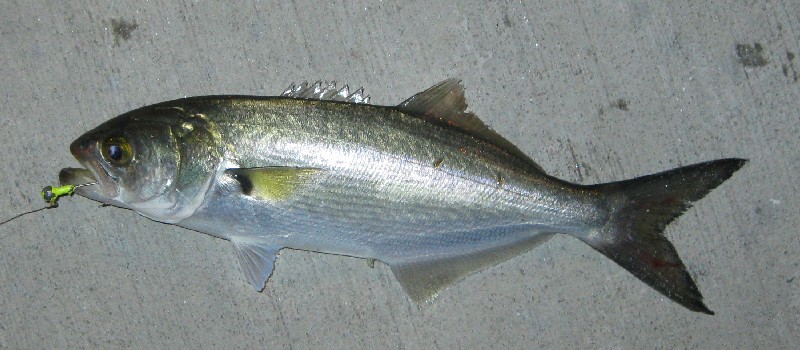
the tide is right, and there is an oncoming cold front, one can catch (and
release-they will be undersized) little king mackerel on 4lb diameter superbraid line and
small jigs (3” chartreuse or white, 1/8-1/4oz). By the way check
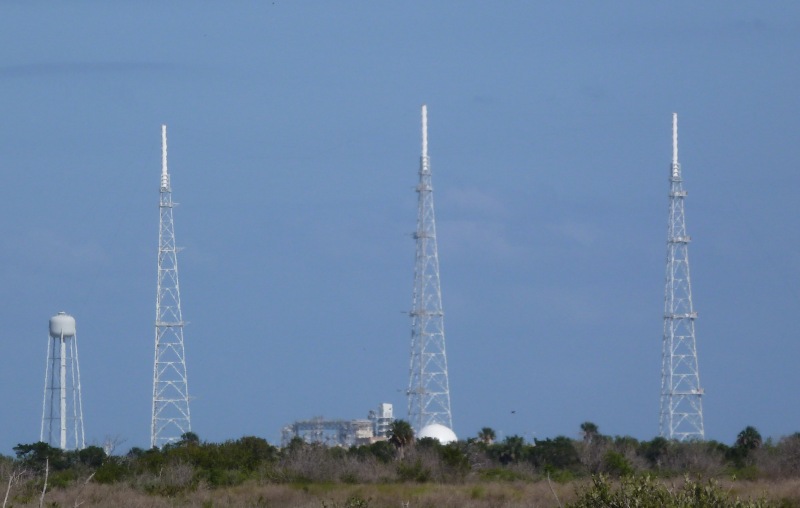
out the Kennedy Space Center Page for rocket launch and landing
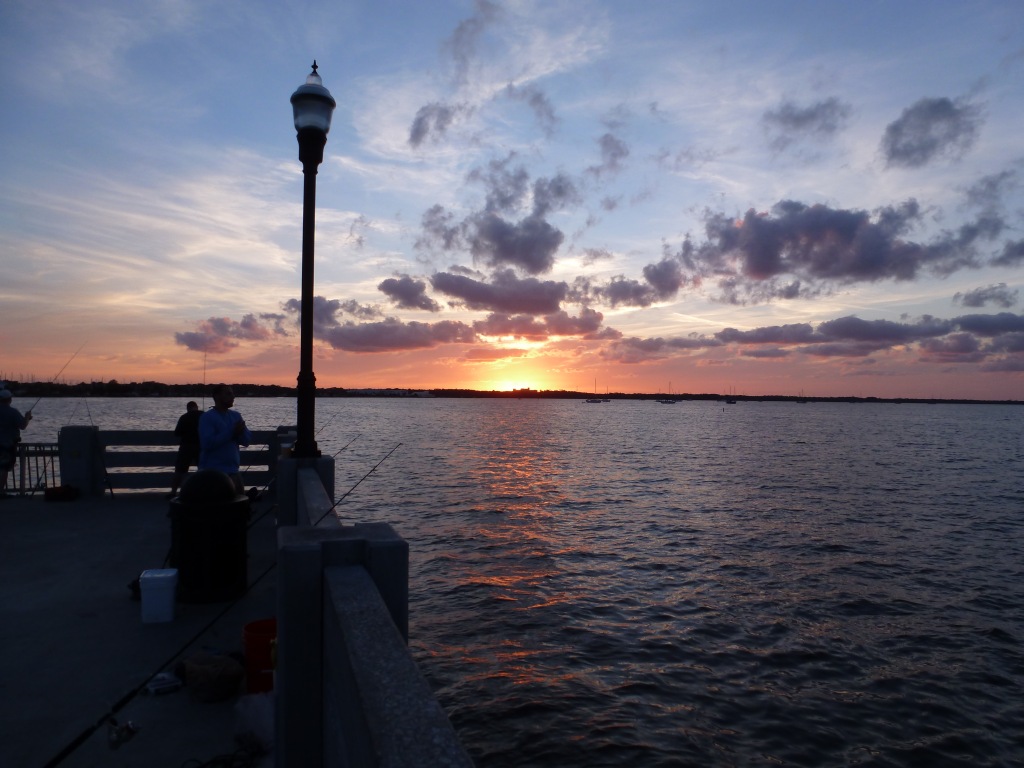
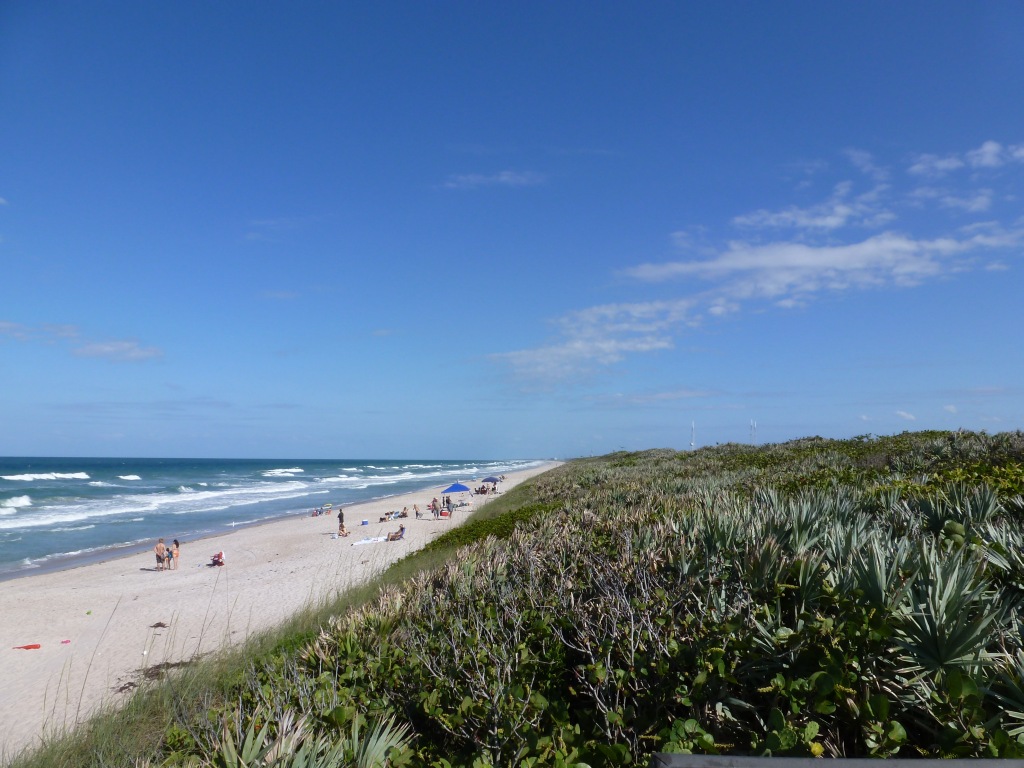
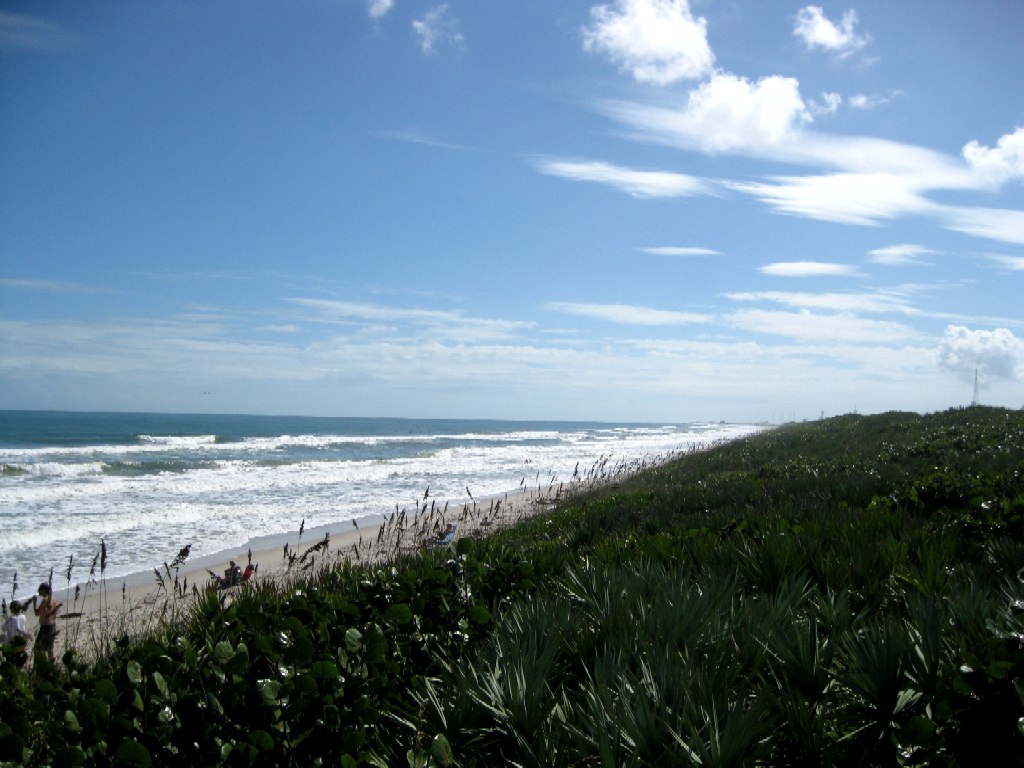
times as the Jetty Pier is one of the best spots to watch the launches and landings. Playa Linda Beach can be a fun fishing and beach spot too, though it is unshowered, and can be very rough.
If
the tide is right, and there is an oncoming cold front, one can catch (and
release-they will be undersized) little king mackerel on 4lb diameter superbraid line and
small jigs (3” chartreuse or white, 1/8-1/4oz). By the way check
out the Kennedy Space Center Page for rocket launch and landing
times as the Jetty Pier is one of the best spots to watch the launches and landings. Playa Linda Beach can be a fun fishing and beach spot too, though it is unshowered, and can be very rough.
Overall, a trip to Orlando in winter
can also bring some good fishing and adventure to one willing to avoid
the civilized sites and sound of central Florida for the wild, true, Florida
for a day or so.
|
|
| Get your Combat-Fishing Stuff Here! |
While good fishing is year round, this article is focused on the December-February time frame. As always, pre-coldfront conditions are best (check the weather first), and sunrise/sunset are the best fishing times.
A quick trip to the Florida Fish and Wildlife Conservation commission will save you lots of time in researching limits and seasons, and you can even buy both fresh and saltwater licenses over the phone (1-888-FISH-FLORIDA). For Homosassa, a saltwater permit will cover this short river (of course check the regs before venturing out as things do change), but for Crystal river freshwater fish and any inland fishing around Orlando, a freshwater permit is required. If fishing off any of the pay piers on the coast, if the pier is licensed , then you don't need to be. However if fishing under the bridges, on the shoreline, or from a boat, you will need one.
There are several charter captains and rental boat places around Homosassa and Crystal River, and many also offer snorkelling and dive trips as well. We just got a map and some local advice, and rented a jon boat at Homosassa at MacRaes (and out-caught most of the charters, stayed there twice, nice and quiet place in the winter). Here is a another good place to start: is Nature's Resort (where we got our boat another time--they also have a hotel on the water and are the one who feed the island monkeys) at 1-800-301-7880. At Crystal River, we rented (and took a snorkeling trip) from the Crystal River Dive Center. Overall, while manatee viewing is better at Crystal River, fishing is better and far less expensive at Homosassa.
On the Atlantic Side, here is a good starting place: on the Merritt Island Wildlife Refuge (where some of the best Bananna RIver and Indian River fishing happens to be). Also check out the Kennedy Space Center site for launch times and releated information. While in Titusville, hit Dixie Crossroads for the broiled Rock Shrimp (the ultimate local yum-yum, and a neat place to take the kids as they have a good playground and lots of fishponds full of tilapia to feed). I NEVER visit this area with out eating here!
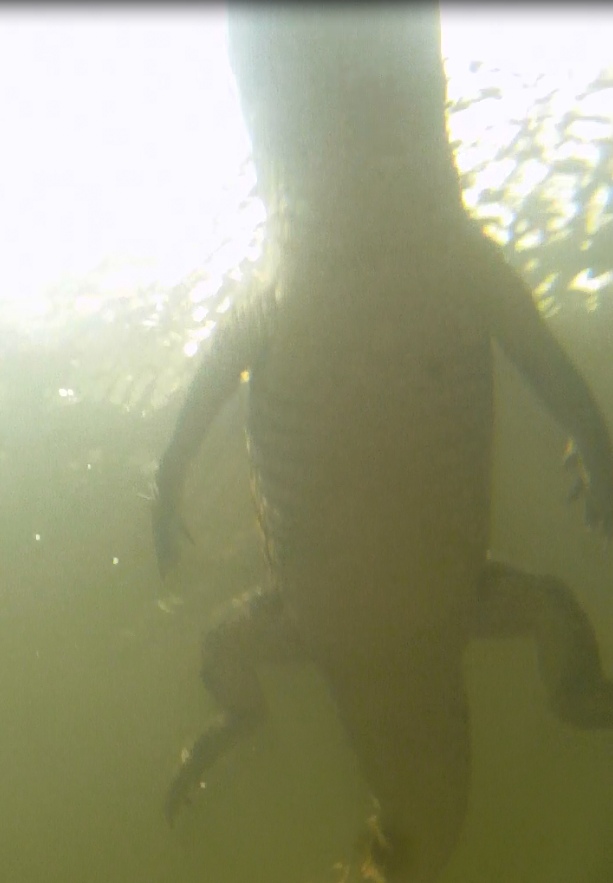
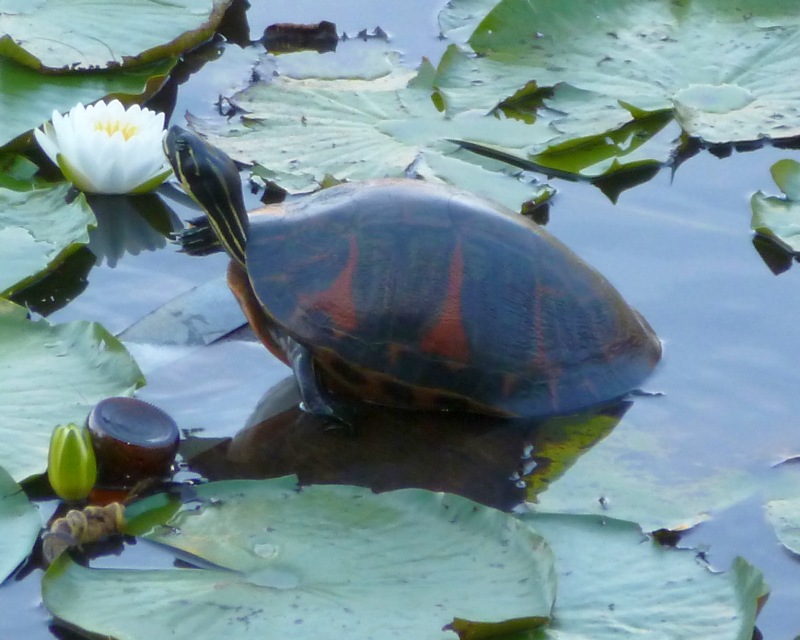
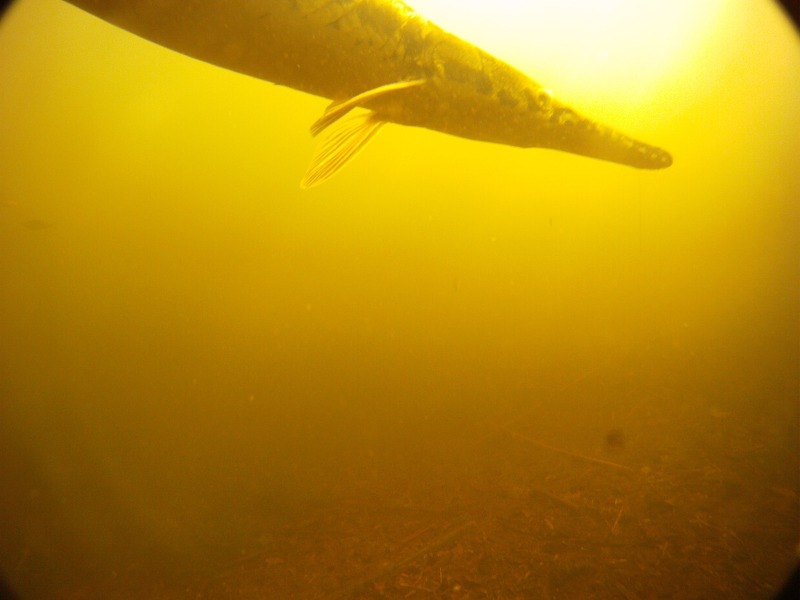
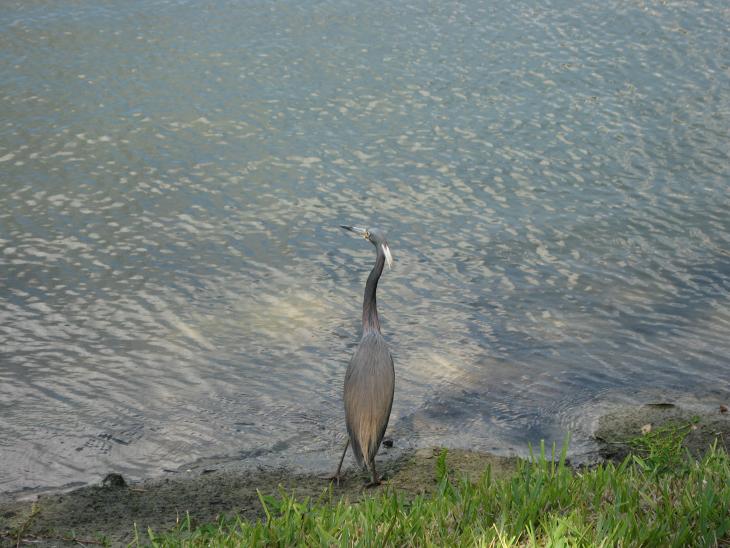
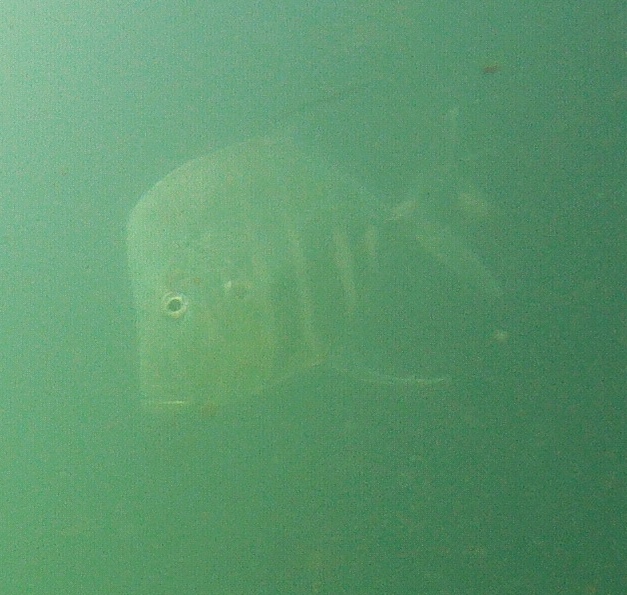
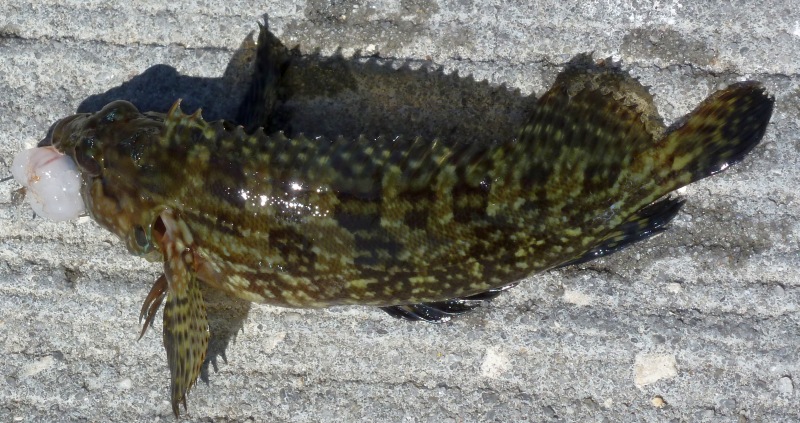
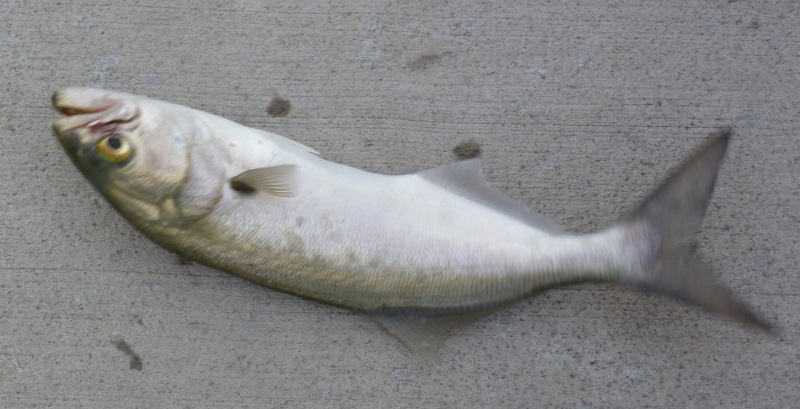
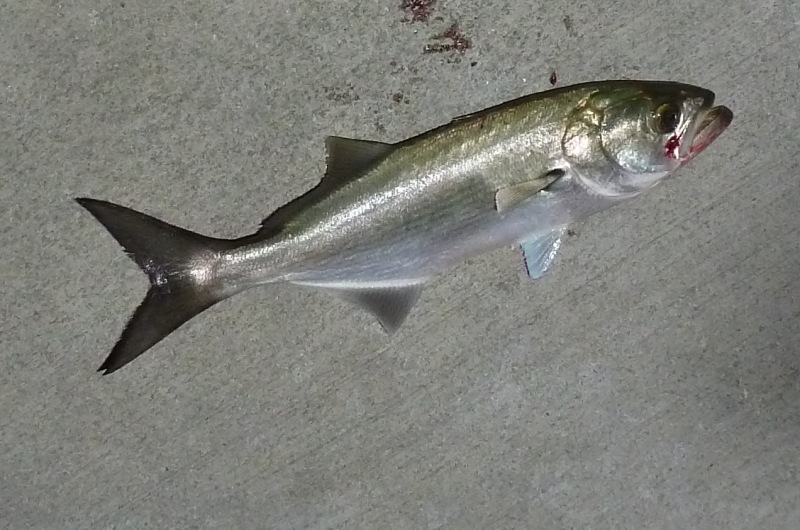
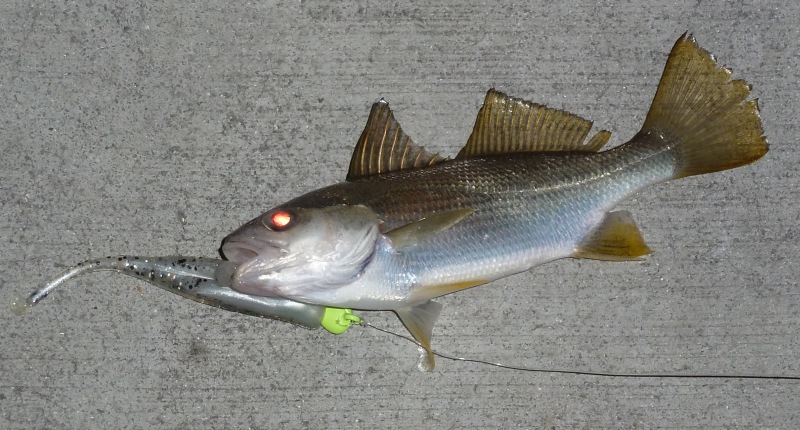
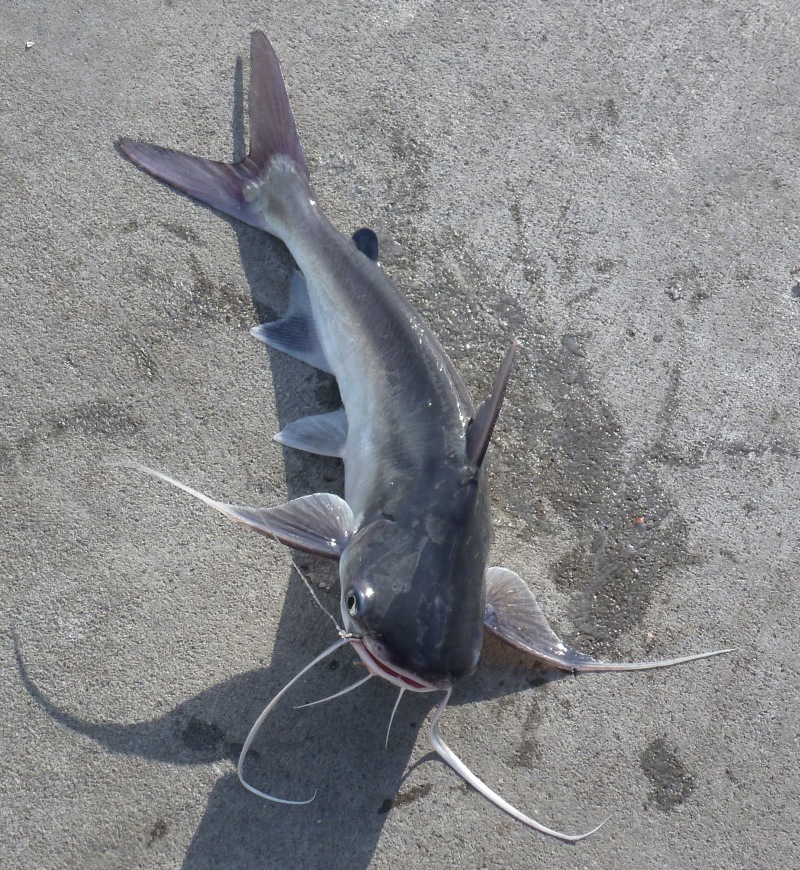
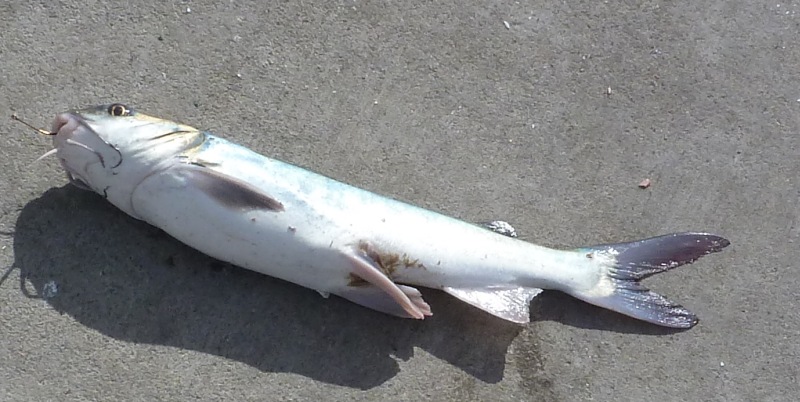
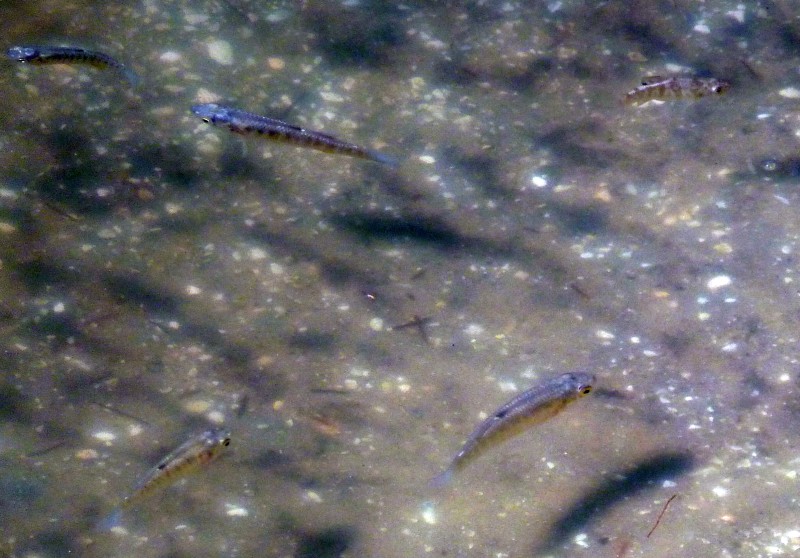
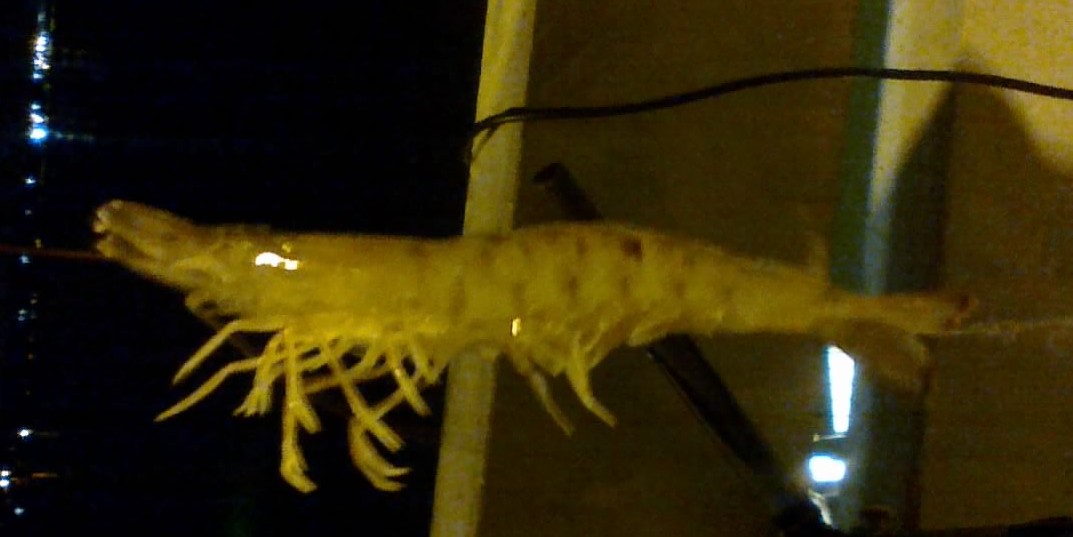
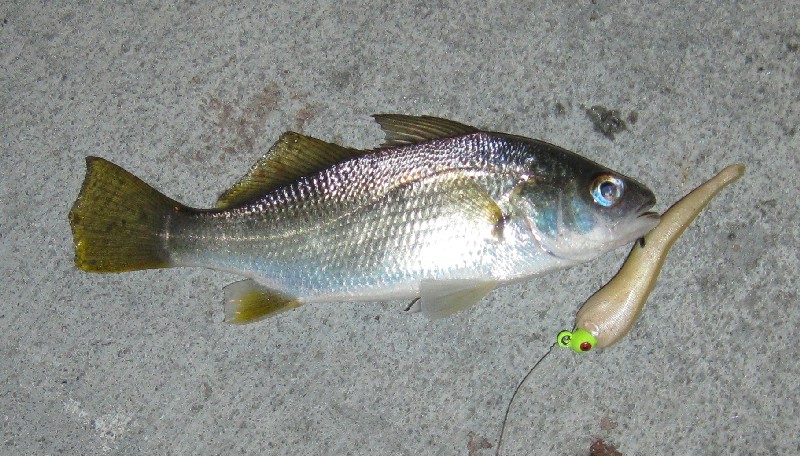
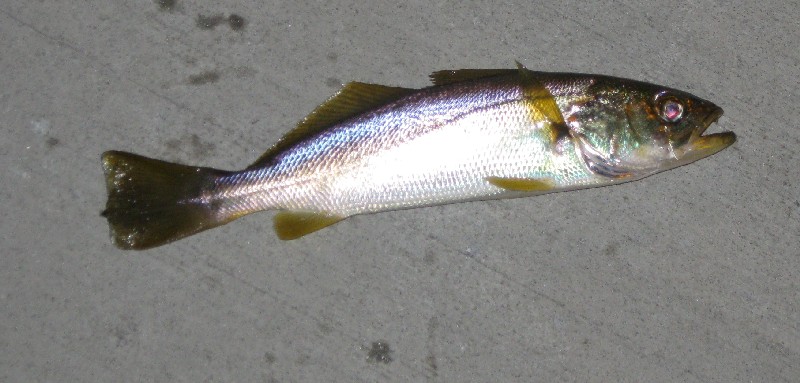
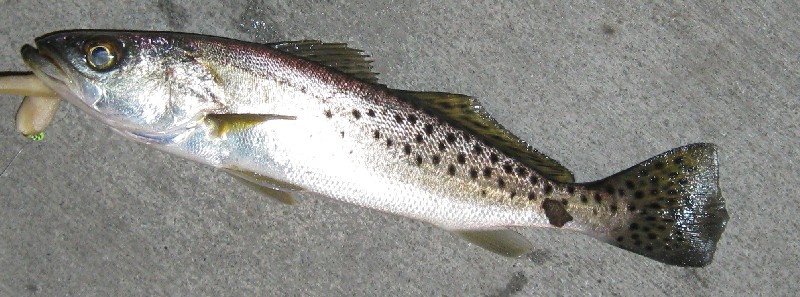
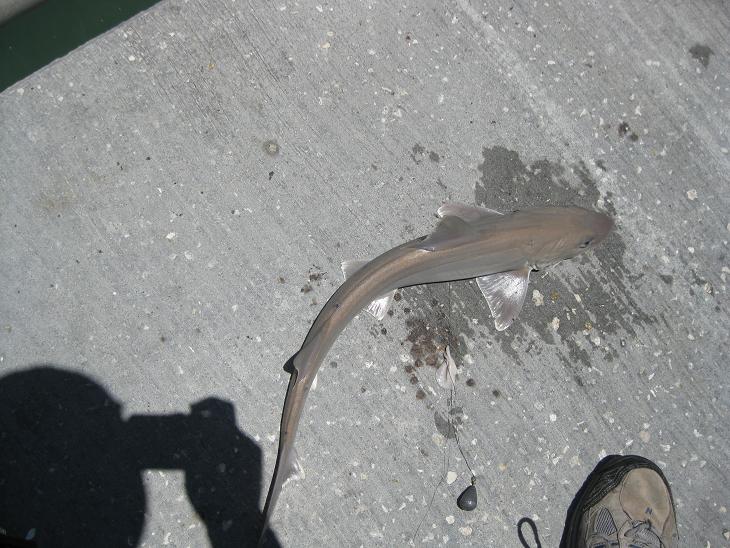
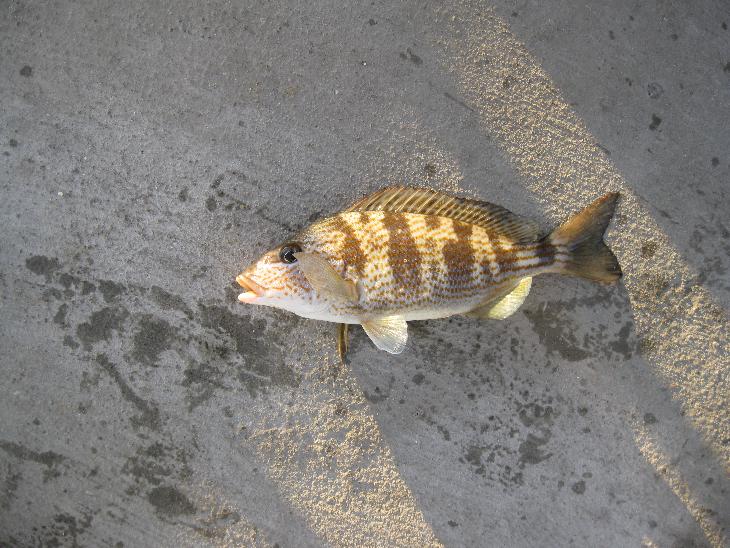
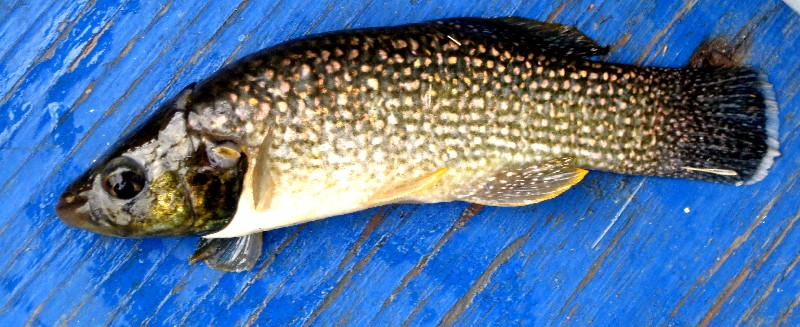
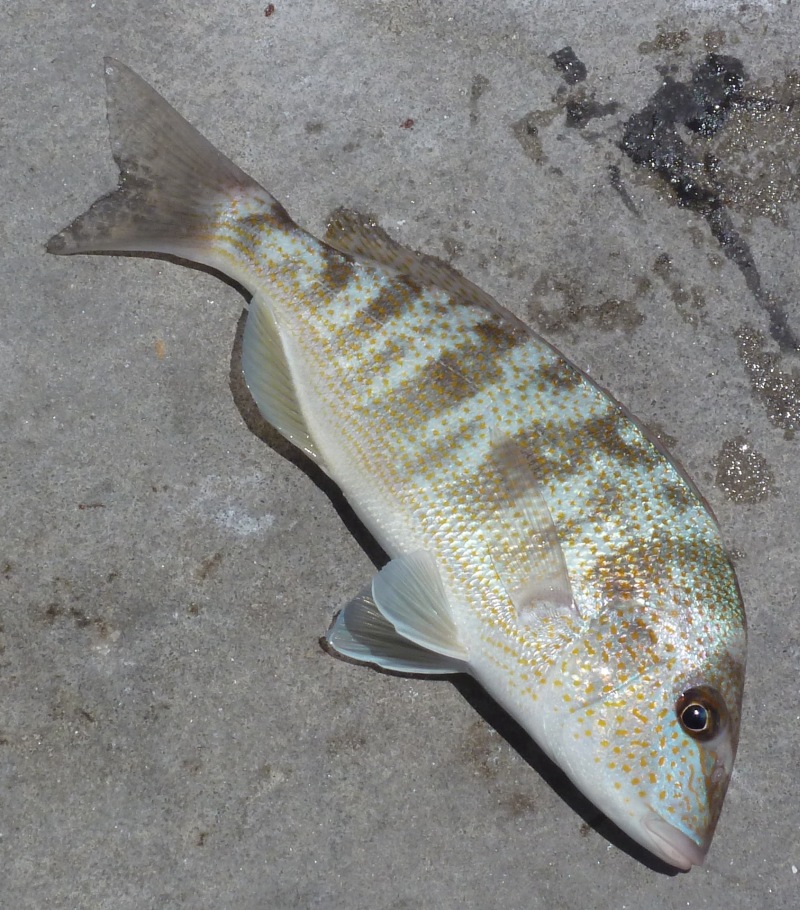
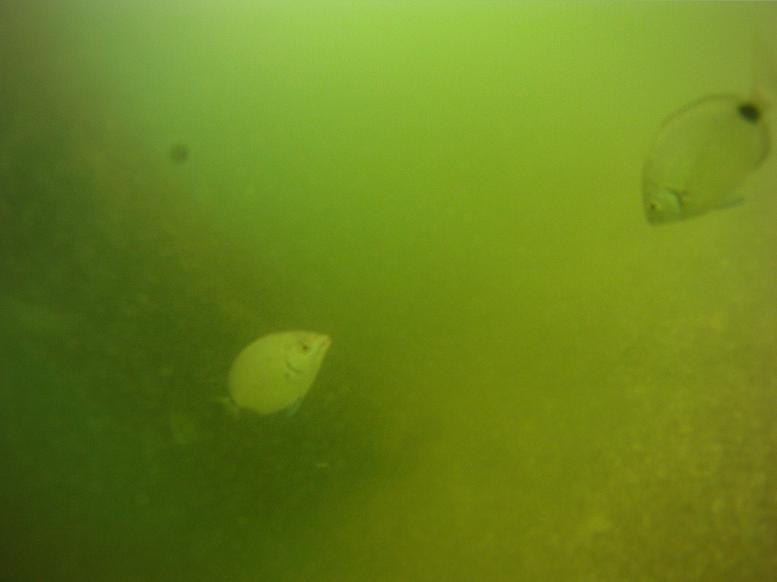
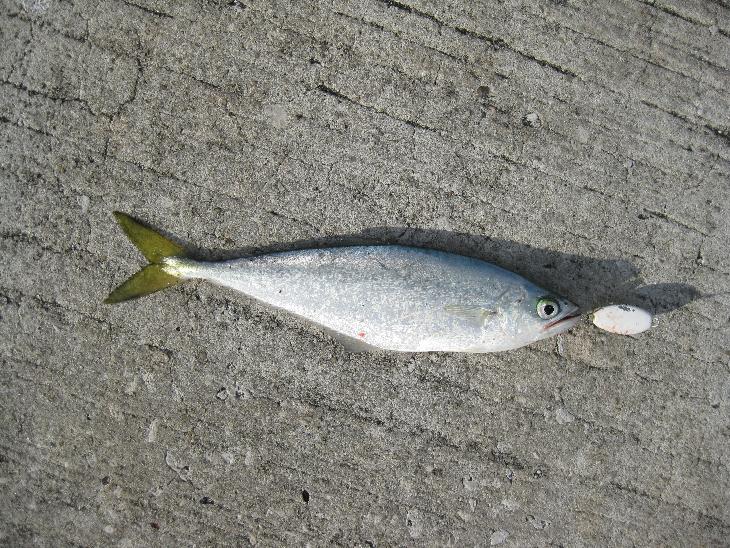
Some Fishes you might see:
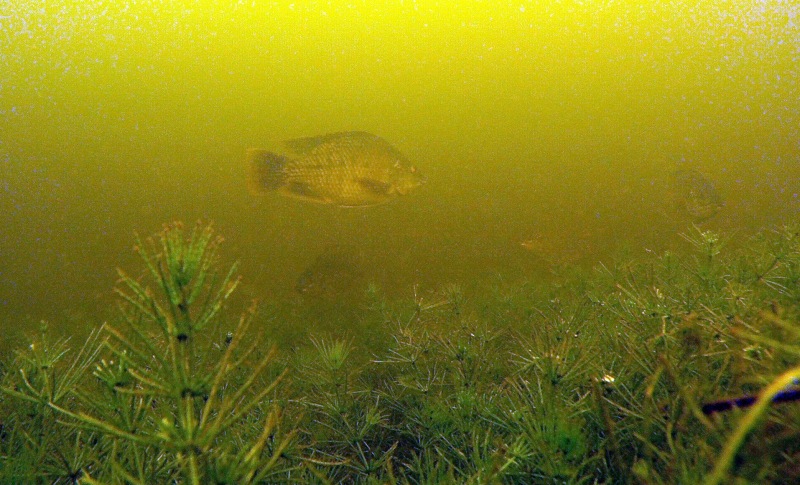
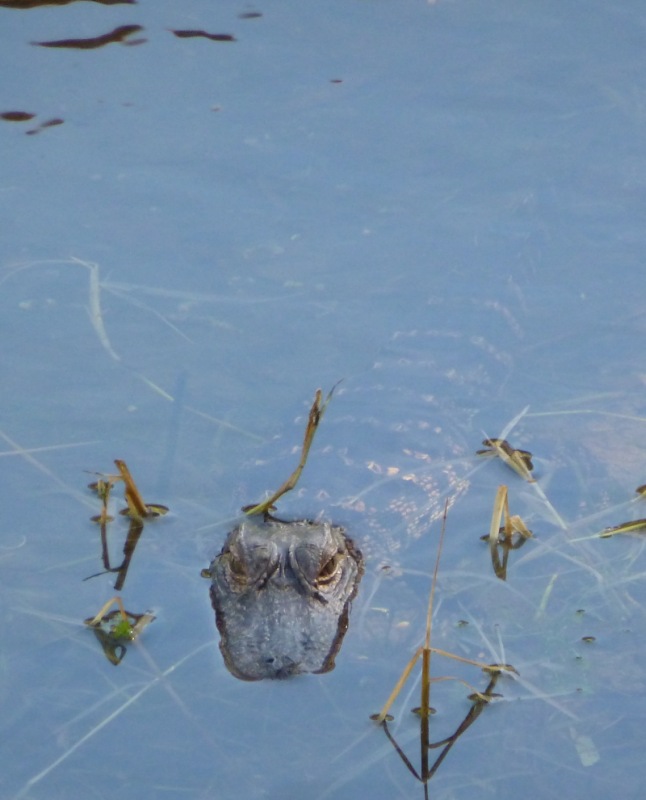
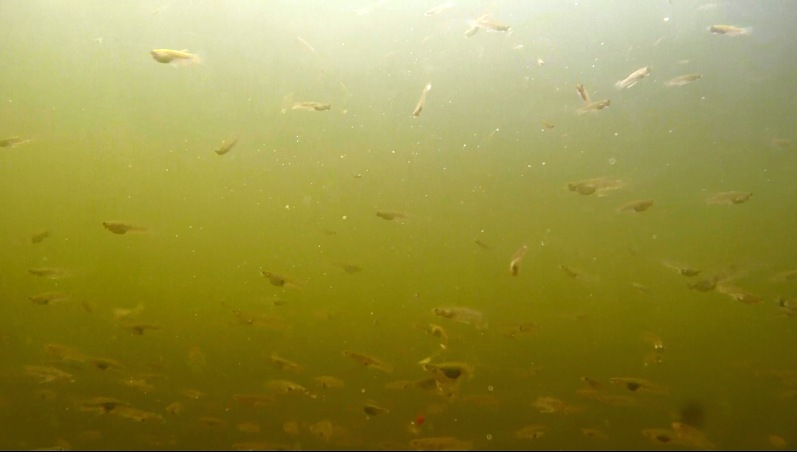
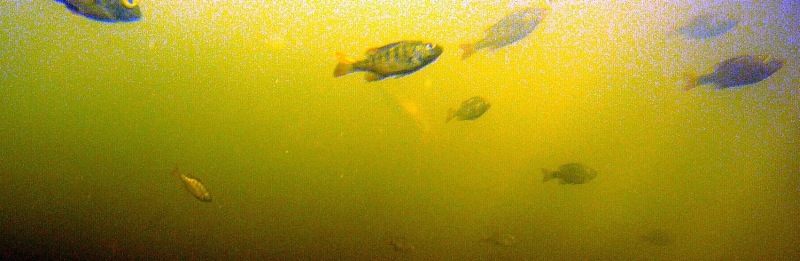
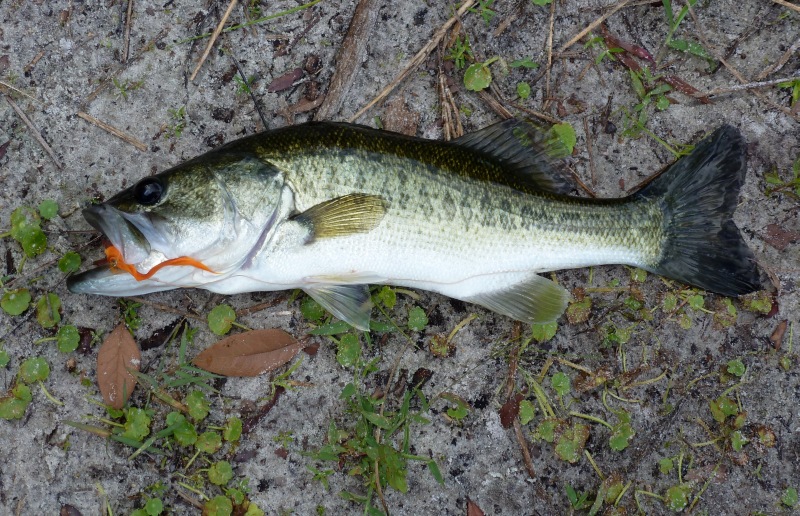
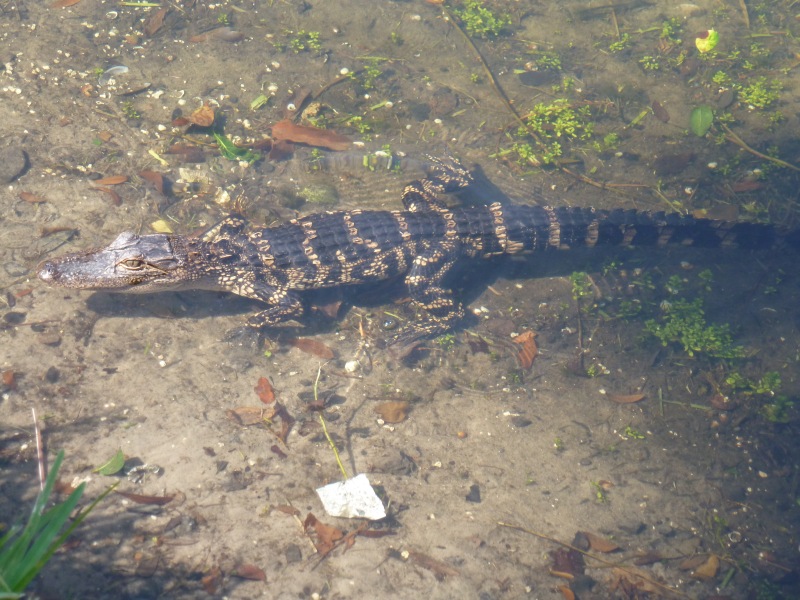
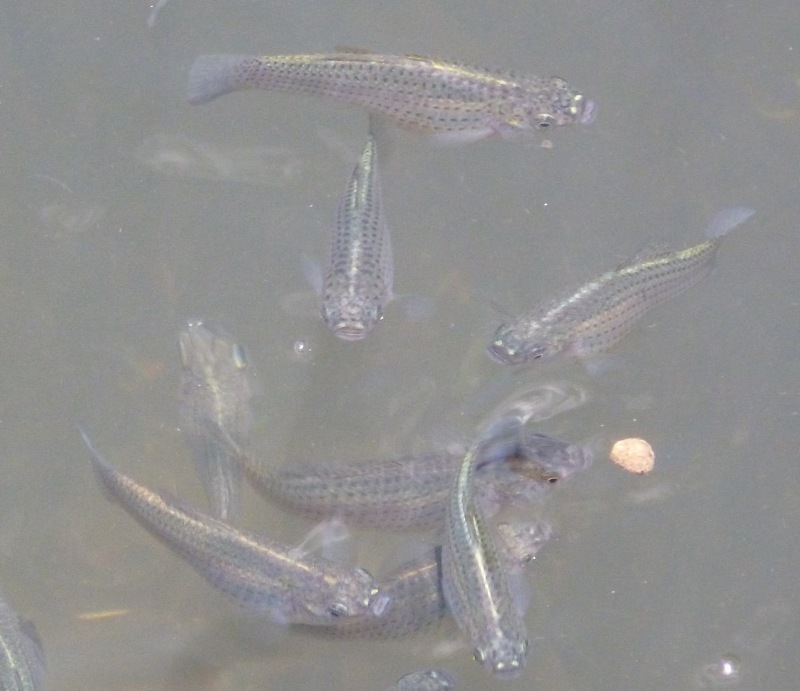
Orlando and Freshwater fish (note in rivers in Florida, saltwater fish like Jack Crevalle and Ladyfish and Seatrout and Snook swim into the warmer river water in winter).:
|
|
| Get your Combat-Fishing Stuff Here! |
Latest Reports | Fishing Articles | Fishing Tactics | Fish Ecology and Biology | Travel Articles | Fishy Fun | External Links | Shopping | HOME
LEGAL: ALL content ©1993-2015 Bryce L. Meyer. The term "Combat-Fishing" is a federally registered trademark. "Combat Fishing" when used in reference to travel information, fishing websites, fishing or travel books, or similar products as a brand is also a trademark. Fish and Pole logo is also a trademark.